
Mastering Motor Torque Control: Essential Guide
Torque control is a motor control mode that regulates the rotational force (torque) a motor produces, rather than its speed or position. It works by commanding the motor current directly, since torque is proportional to current. The goal is precise, stable force at the shaft, which is essential in robotics, industrial automation, and electric vehicles. On modern controllers this is done with field oriented control (FOC), closing a fast current loop around the motor.
What is Motor Torque Control?
Torque is a fundamental concept in electric motors, crucial for their operation and performance. It is the force that drives the movement of electric motors. Effective torque control plays a vital role in optimizing electric drive systems.
Understanding Torque and Its Significance
Torque refers to the force that causes an object to rotate, and it plays a key role in determining the speed and movement of an electric motor. Proper torque control is essential in various applications, such as industrial machinery, robotics, and more.
Applications of Torque Control
Torque control in electric motors is crucial across various applications. Key areas where it plays an important role include:
- Industrial Automation
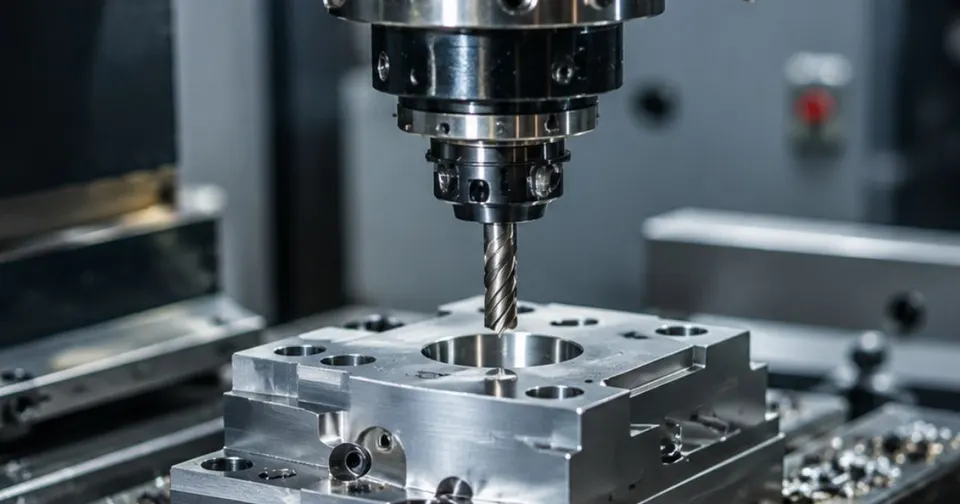
Essential for the efficient operation of machines like conveyor belts, CNC machines, and assembly lines.
- Robotics and Mechatronics

Enables smooth and precise movements, improving robot performance.
- Automotive Systems

Critical for managing power and energy efficiency in electric and hybrid vehicles.
- Home Appliances

Ensures better and more consistent performance in household items like washing machines and dishwashers.
Torque Control vs. Speed Control
Both torque control and speed control are essential for motor performance, in this article we analyze the difference between the control types in detail but here we will give a quick explanation.
Torque control regulates the motor’s rotational force,
Speed control, on the other hand, maintains consistent motor rotation, even with varying loads. While important, speed control doesn’t always manage torque effectively.
| Regulates | Best for | Trade off | |
|---|---|---|---|
| Torque Control | Rotational force (current) | Precise force, robotics, tensioning | Speed is free to vary with load |
| Speed Control | Rotational speed | Constant speed, fans, pumps | Does not guarantee optimal torque |
Motor Torque Control Techniques
There are two primary methods for controlling motor torque: PID control and sensorless control.
PID Control
PID (Proportional-Integral-Derivative) control is a widely used method for managing motor torque. It adjusts the motor’s input to align with the desired torque, ensuring that the torque remains accurate and stable.
The PID control consists of three components: proportional, integral, and derivative. Together, these elements enhance the system’s responsiveness, making PID control a flexible and effective solution for torque management in motors
Here is an article about PID tuning and how the motion is impacted by it.
Sensorless Control
Sensorless control is a technique that operates without torque sensors. Instead, it estimates torque using current, voltage, and rotor position data.
It is commonly applied in situations where direct torque measurement is challenging or impractical.
Field-Oriented Control (FOC)
Field-oriented control is versatile and widely used. It’s great for many electric motor applications, like industrial automation, robotics, electric vehicles, and home appliances. FOC is key to making electric motors work their best and driving innovation.
Field-oriented control (FOC) is a leading method for managing motor torque, providing precise and dynamic control over electric motors. By aligning the motor’s magnetic field with the rotor’s position, FOC allows for separate control of torque and flux, resulting in improved performance and efficiency.
The main principles of field-oriented control include:
- Decoupled control of torque and flux: FOC enables independent control of the motor’s torque and flux, enhancing precision and responsiveness.
- Rotor flux orientation: The control system ensures that the stator current vector aligns with the rotor’s magnetic flux, optimizing energy conversion.
- Coordinate transformations: FOC utilizes transformations like the Clarke and Park transformations, simplifying the management of motor variables.
Implementing field-oriented control offers numerous benefits for electric motors, such as:
- Improved torque response and dynamic performance
- Enhanced efficiency with reduced energy consumption
- More accurate and precise speed control
- Greater reliability and fault tolerance
Field-oriented control is versatile and widely applied in various electric motor applications, including industrial automation, robotics, electric vehicles, and home appliances. FOC is essential for optimizing electric motor performance and driving technological advancements.
How Torque Control Works (FOC Current Loop)
In a modern controller, torque control is a current control problem. Torque is proportional to the current in the motor, so to set the torque you set the current.
Field oriented control (FOC) makes this clean. It transforms the three phase currents into two components: one that produces torque (the q axis current) and one tied to the magnetic field (the d axis current). The controller can then command torque simply by commanding the q axis current, while keeping the d axis current where it needs to be.
A fast current loop, usually a PID loop, keeps the measured current locked onto the target. The quicker and tighter this loop runs, the more responsive and stable the torque feels. This is why current loop bandwidth matters: a slow loop gives sluggish, noisy torque, while a fast loop gives crisp, precise force at the shaft.
Feedback Loops and Sensors
Accurate motor torque control relies on feedback loops and sensors that work together to provide essential information for effective torque management. These components monitor the motor’s performance and make adjustments to ensure smooth and efficient operation, enhancing the system’s responsiveness and reliability.
Torque sensors play a crucial role in motor torque control by measuring the torque produced by the motor. These sensors can be based on strain gauges or use magnetic flux variation for precise feedback. Additionally, speed sensors and position sensors contribute by tracking the motor’s speed and position, ensuring that the torque output remains optimal.
Addressing Torque Ripple
| Technique | Optimized motor design | Advanced control algorithms | Feedback mechanisms |
|---|---|---|---|
| How it helps | Skewed rotor slots and better magnetic geometry cut the inherent sources of ripple | FOC and direct torque control (DTC) compensate for torque fluctuations for smoother output | High resolution encoders and resolvers allow real time monitoring and correction |
| Effectiveness | High | High | Moderate to High |
Techniques for Torque Ripple Reduction
There are several effective strategies for reducing torque ripple in electric motors. Some of the top methods include:
- Optimized Motor Design: Innovative designs, such as skewed rotor slots and improved magnetic circuits, can help minimize torque ripple.
- Advanced Control Algorithms: Implementing sophisticated controls, like field-oriented control (FOC) and direct torque control (DTC), can help smooth out torque variations.
- Feedback Mechanisms: Utilizing high-resolution sensors, such as encoders and resolvers, allows for real-time monitoring and adjustment of the motor’s torque, effectively reducing ripple.
By combining these methods, engineers can significantly mitigate the impact of torque ripple, leading to improved motor performance, reduced vibrations, and enhanced energy efficiency.
| Torque Ripple Reduction Technique | Optimized Motor Design | Sophisticated Control Algorithms | Feedback Mechanisms |
|---|---|---|---|
| Description | Advancements in motor design, such as skewed rotor slots and improved magnetic circuit geometries, can help minimize the inherent sources of torque ripple. | Implementing advanced control strategies, such as field-oriented control (FOC) and direct torque control (DTC), can effectively compensate for torque fluctuations and provide smoother output. | Incorporating high-resolution feedback sensors, such as encoders and resolvers, can enable real-time monitoring and adjustment of the motor's torque output, reducing ripple effects. |
| Effectiveness | High | High | Moderate to High |
How to Set Up Torque Control on a SOLO Controller
On a SOLO controller torque control runs through the FOC current loop, so in most setups the steps are:
- Enter the motor parameters and feedback type in the SOLO Motion Terminal.
- Run motor identification so the controller knows the resistance and inductance it needs to close the current loop.
- Select torque mode and tune the current loop, since a fast, stable current loop is what makes torque precise.
- Command a torque (current) target and verify the response, then raise it gradually while watching current and temperature.
Conclusion
In this article, we have explored the importance of motor torque control for achieving optimal performance in various fields, including industrial automation, robotics, and mechatronics. Effectively managing motor torque is essential for electric motors to operate at their best.
We discussed the fundamentals of electric motors and the various methods for controlling torque. Techniques such as PID control, sensorless control, field-oriented control (FOC), were covered, providing readers with a comprehensive understanding of effective motor torque management.
Additionally, we examined feedback loops, sensors, and strategies to reduce torque ripple while enhancing motor efficiency. This overview equips readers with the knowledge needed to tackle the challenges of motor torque control. They can now apply this information to drive innovation and improve performance in their applications.
SOLO Motor Controller Opportunity
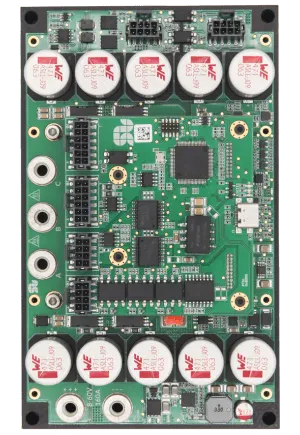
Torque control is a core mode on every SOLO controller. Each one runs FOC with a fast current loop, so you can command torque directly on brushed DC, BLDC, PMSM, and AC induction motors. For most projects, the SOLO Uno is the right starting point, while the SOLO Mega suits higher power and demanding torque work. See torque control in action:
Brushless torque control with Arduino:

PMSM sensorless torque control:

Ready to command torque directly? Explore the full controller range and set your current loop in a few steps.
FAQ
What is the difference between torque control and speed control in electric motors?
Torque control is about setting the motor’s force directly. Speed control is about keeping the motor’s speed steady. Torque is key for precise force in robots and machines. Speed control is for fans and pumps that need constant speed.
What are the main techniques used for motor torque control?
Motor torque control uses methods like PID, sensorless, FOC, and DTC. Each method has its own benefits and fits different needs. The choice depends on the motor type and the application.
How does field-oriented control (FOC) contribute to effective torque regulation?
FOC is a top choice for precise motor torque control. It separates the motor’s flux and torque. This lets FOC control both for accurate torque, making it great for robotics and automation.
How can motor efficiency be optimized through effective torque control?
Good torque control helps motors work more efficiently. Using advanced algorithms and careful design can cut losses and keep the motor in the best operating range. This makes the motor work better and use less energy.
What are some common strategies for addressing torque ripple in electric motors?
Torque ripple is a big challenge in motor control. To fix it, use advanced control methods and design improvements. These steps help reduce torque ripple for smoother motor operation.
What are some of the key applications of motor torque control?
Motor torque control is vital in many areas, like industrial automation, robotics, and mechatronics. It’s key for handling materials, controlling processes, and moving machines. In robotics, it ensures smooth motion and precise control of forces and torques.
Products in this article

Related articles

Python on Raspberry Pi: Production Motor Control Tips with SOLO
Production tips for Python motor control on Raspberry Pi with SOLO: SoloPy setup, robust serial/CAN, threading, error recovery and reliable deployment.

EtherCAT Motor Control with the SOLO SOM
How EtherCAT motor control works with the SOLO SOM: CoE and CiA 402, distributed clocks, cyclic synchronous modes and wiring a deterministic servo network.

Cogging Torque vs Torque Ripple: What Is the Difference
Cogging torque vs torque ripple explained: what causes cogging, how it differs from torque ripple, when each matters, and how FOC and design reduce them.
