
Low Inductance Motors
Low inductance motors are revolutionizing high-speed applications by providing faster response times and precise control, making them ideal for settings where rapid acceleration, deceleration, and torque adjustments are critical. However, to operate these motors effectively, they need advanced motor controllers that can keep up with the rapid current changes low inductance motors demand.
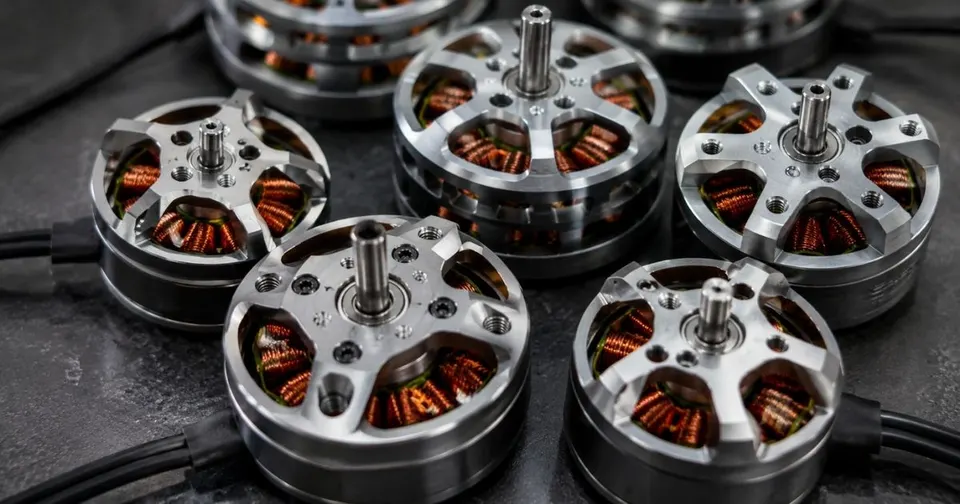
Understanding Low Inductance Motors
In electric motors, inductance refers to the coil’s ability to resist changes in current. Lower inductance means that a motor can respond quickly to control signals, allowing for high-speed operation and fine-tuned adjustments in torque and speed. These qualities are essential in applications where precision and quick response are non-negotiable, such as robotics, CNC machinery, and electric vehicles.
| Motor Type | Low Inductance Motors | High Inductance Motors |
|---|---|---|
| Typical Inductance | 5 mH | |
| Applications | Robotics, automation, CNC | HVAC systems, machinery |
Interfacing of low inductance motor with motor controller
1.Choose the Right Motor Controller
For low inductance motors, it’s essential to select a controller that can handle high-speed current changes and rapid response. Look for controllers with:
- High Processing Speed: The controller must process changes quickly to match the motor’s speed.
- Advanced Algorithms: Features like Field-Oriented Control (FOC) or direct torque control, which are optimized for precise control in low-inductance motors.
- Current Sensing: Real-time current monitoring to detect and respond to rapid current variations effectively.
2. Set Up the Wiring and Connections
- Power Supply: Ensure the motor controller’s power supply matches the specifications of your low inductance motor to avoid damage or insufficient power.
- Motor Phases: Connect the motor’s phase wires to the corresponding outputs on the controller. Low inductance motors typically use three-phase connections (labeled as U, V, and W).
- Feedback Signals: If the motor has built-in sensors (e.g., hall sensors or encoders), connect these to the controller for precise feedback on the motor’s position, speed, and torque. This is critical for maintaining control accuracy.
3. Configure the Motor Controller Settings
- Control Mode: Set the control mode according to your application needs:
- Torque Mode: Useful for applications requiring constant torque.
- Speed Mode: Ideal for operations that prioritize speed stability.
- Position Mode: Essential for applications requiring precise positioning, like CNC or robotics.
- Current Limits: Set appropriate current limits to prevent overheating or damage. Low inductance motors can experience rapid current changes, so choose a controller with adjustable current limits.
- PWM Frequency: Adjust the controller’s PWM (Pulse Width Modulation) frequency to match the motor’s inductance. Low inductance motors generally work better with a higher PWM frequency, which allows the controller to handle faster current changes.
4. Tune Control Parameters
Motor controllers often provide settings for tuning parameters such as proportional, integral, and derivative (PID) gains. Proper tuning can significantly improve performance:
- Start with Manufacturer’s Settings: Some controllers come with recommended settings for low inductance motors, which can serve as a baseline.
- Fine-Tune Responsiveness: Adjust control gains to balance responsiveness and stability, minimizing overshoot or oscillations in the motor’s performance.
- Monitor Performance: Continuously monitor parameters such as speed, current, and temperature, making further adjustments as necessary.
Advantages of Low Inductance Motors
- Fast Response Times: Lower inductance allows these motors to adapt to changes in current more quickly, providing faster response times essential for high-speed operations.
- Improved Efficiency: Lower inductance reduces energy losses and minimizes heat generation, resulting in improved motor efficiency.
- Precision Control: Essential for applications requiring small adjustments in speed and torque, enabling greater accuracy in tasks like robotic movements and industrial automation.
- Lower Power Loss: With less reactive power loss, these motors conserve more energy, contributing to both performance and sustainability.
Challenges in Controlling Low Inductance Motors
Controlling low inductance motors can be challenging due to their fast current changes, which demand a motor controller capable of keeping pace. Unlike traditional motors, low inductance motors require:
High-speed Processing: To handle the rapid changes in current, controllers must be equipped with high-speed processing capabilities.
Advanced Control Algorithms: Optimized algorithms ensure stable and accurate control, even under high-speed demands.
Efficient Thermal Management: Given the quick currents, these motors may generate more heat, so controllers often include thermal management features to maintain safe operating temperatures.
Applications of Low Inductance Motors
Low inductance motors are especially suited for industries requiring precision and quick response. Here are a few primary use cases:
- Industrial Robotics

Low inductance motors provide fast, accurate movements essential for robotic arms and precision machinery, making them indispensable in automation and assembly lines.
- CNC (Computer Numerical Control) Machines
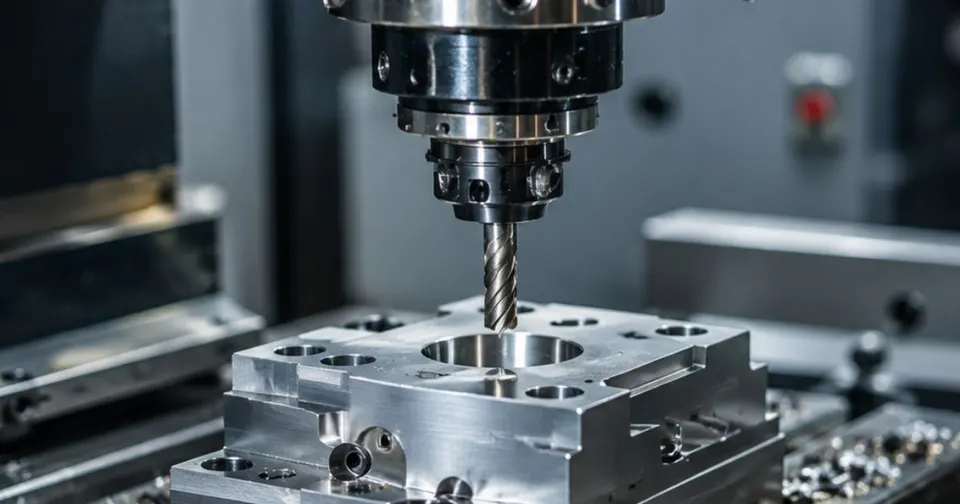
CNC machinery benefits from low inductance motors’ rapid response time, enhancing operational speed and accuracy in cutting, milling, and engraving.
- Electric Vehicles (EVs)

In EVs, low inductance motors enable immediate torque response, which improves both performance and energy efficiency, making these motors ideal for electric and hybrid vehicles.
| Application | Industrial Robotics | CNC Machinery | Electric Vehicles |
|---|---|---|---|
| Benefits of Low Inductance Motors | High precision, fast response for accurate movements | Improved acceleration and deceleration, energy savings | Enhanced torque response, increased energy efficiency |
Conclusion
Low inductance motors offer substantial benefits for high-speed, precision-driven applications. Their ability to respond quickly to control inputs makes them ideal for industries like robotics, CNC machinery, and electric vehicles. However, they require advanced motor controllers to handle their unique demands effectively. To achieve a new level of control and precision in low inductance applications, consider exploring SOLO Motor Controllers, designed to meet the specific needs of high-speed and precision-driven systems.
SOLO Motor Controllers optimize the performance and efficiency of low inductance motors and unlock the full potential of high-demand applications.
Related articles

Python on Raspberry Pi: Production Motor Control Tips with SOLO
Production tips for Python motor control on Raspberry Pi with SOLO: SoloPy setup, robust serial/CAN, threading, error recovery and reliable deployment.

EtherCAT Motor Control with the SOLO SOM
How EtherCAT motor control works with the SOLO SOM: CoE and CiA 402, distributed clocks, cyclic synchronous modes and wiring a deterministic servo network.

Cogging Torque vs Torque Ripple: What Is the Difference
Cogging torque vs torque ripple explained: what causes cogging, how it differs from torque ripple, when each matters, and how FOC and design reduce them.
