
Understanding and Using Safe Torque Off (STO) for Motion Systems
Safe Torque Off (STO) is a vital safety feature in motion systems. It ensures the safety of equipment and people by disconnecting the power supply to a motor. It’s made to guarantee the stop of the motor turning and avoiding motion without control. STO has a wide range of use in machines/systems with moving axes (e.g. handling, conveyor technology).
Introduction
In the world of Industrial Automation and modern mobility, keeping equipment and people safe is key. Safe Torque Off (STO) is a important safety feature in motion systems. It helps reduce risks and protect people and machines. This article will cover what STO is, why it’s important, and the safety standards it follows.
Using STO can make things safer, cut costs, and offer a dependable solution for many motion control uses. This includes industrial automation, robotics, and electric vehicles. Knowing the different STO types, like single-channel and dual-channel STO, is important for picking the right one for your needs.
What is Safe Torque Off (STO)?
Safe Torque Off (STO) is a key functional safety feature. It ensures the safety of motion systems by disconnecting the power supply to a motor. This stops the motor shaft from turning and prevents any unwanted motion.
Definition and Purpose of STO
STO is a safety feature that cuts off the motor’s power. This stops it from making torque. It’s vital in places where moving parts could be dangerous to people or machines. With STO, systems can prevent sudden or dangerous movements. This makes the motion system safer.
Safety Standards and Regulations
Safe torque off follows strict safety standards and regulations. These rules make sure these systems work well and safely. Standards like IEC 61800-5-2 and IEC 61508 set the rules for power drive systems and functional safety. Following these rules is key for designers and makers to keep their equipment safe to use.
| IEC 61800-5-2 | IEC 61508 | |
|---|---|---|
| Description | Technical requirements for power drive systems, including safe torque off functionality | Functional safety of electrical, electronic, and programmable electronic safety-related systems |
Safe Torque Off in Motion Systems
Safe Torque Off (STO) is key in keeping operators and machines safe. In industrial automation and robotics, STO is crucial. It ensures motor controllers and other parts are safe. STO helps stop the motor safely, reducing risks of unexpected moves or starts.
STO keeps motor safety and machine safety high. When turned on, it stops the motor’s torque. This prevents dangerous moves, even if the system fails. It’s vital in places like industrial automation or robotics where safety is top priority.
| Immediate Torque Removal | Reliable Safety Mechanism | Compatibility with Various Motion Systems | |
|---|---|---|---|
| Benefit | Prevents unintended machine movement or startup, enhancing safety | Mitigates risks associated with system failures or malfunctions | Widely applicable in industrial automation, robotics, and other motion-based applications |
Advantages of Implementing Safe Torque-Off
Adding Safe Torque Off (STO) to motion systems brings many benefits. It boosts machine safety, makes industrial automation better, and is a cost-effective solution for companies. Let’s look at the main advantages of using this important safety feature.
Improved Safety
STO’s top benefit is making things safer for people and machines. It quickly cuts power to motors, reducing the chance of unexpected moves or starts. This lowers the risk of injuries and damage. It’s key for industrial automation and robotics, where keeping workers safe is a top priority.
Cost-Effective Solution
Using STO can save businesses money too. It cuts down on the need for extra safety setups, which means less cost for setup and upkeep. Plus, the better machine safety it offers means less downtime, fewer repairs, and longer-lasting equipment. This makes operations more efficient and profitable.
| Improved Safety | Cost-Effective Solution | |
|---|---|---|
| Description | Minimizes the risk of unintended motion or sudden machine starts, preventing injuries and damage | Reduces the need for complex safety systems, lowers installation and maintenance costs, and improves efficiency |
By using Safe Torque Off, companies can make their machine safety better. They can also improve industrial automation and robotics processes. This leads to a more cost-effective solution for their motion control systems.
Single-Channel vs. Dual-Channel STO
There are two main ways to add safe torque off (STO) to motion systems: single-channel STO and dual-channel STO. It’s important to know the differences to make sure your system is safe and reliable.
Single-Channel STO
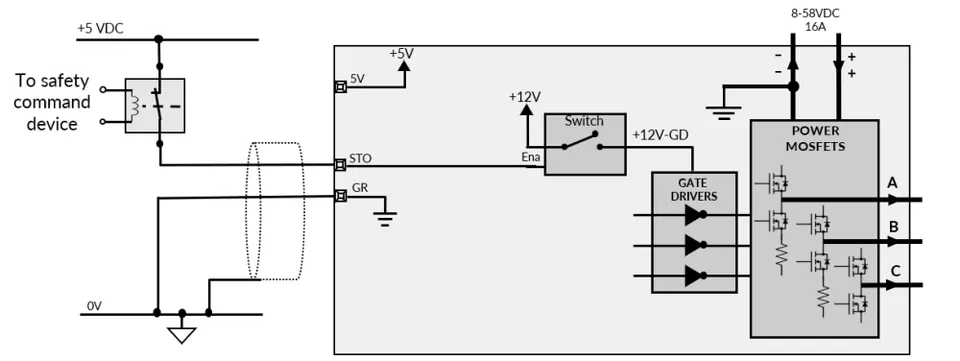
Example of Single STO Channel – SOLO Pico
A single-channel STO system stops the motor with one safety input. It’s easy to set up and doesn’t cost much, making it a good choice for simple tasks. But, it’s more likely to fail because one problem can shut down the whole safety system.
Dual-Channel STO
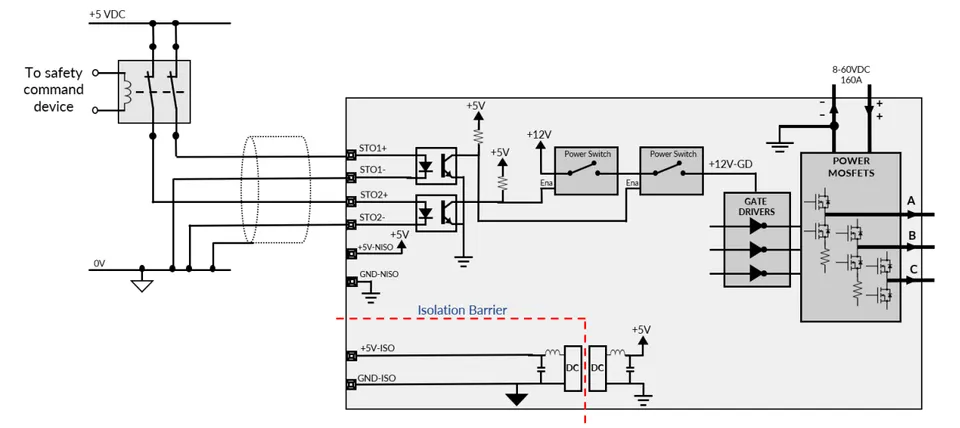
Example of Dual STO Channel – SOLO Mega
A dual-channel STO system uses two safety inputs to manage the motor’s torque. This setup is safer because it keeps working even if one safety input fails. It’s best for complex tasks like in industrial settings or robotics where safety is key.
| Safety Redundancy | Functional Safety | Complexity | Cost | |
|---|---|---|---|---|
| Single-Channel STO | Single point of failure | Lower level of safety | Simpler design | Lower cost |
| Dual-Channel STO | Redundant safety channels | Higher level of safety | More complex design | Higher cost |
Choosing between single-channel and dual-channel STO depends on what your application needs. You must weigh safety, complexity, and cost to make the right choice.
Safe Torque Off
The Safe Torque Off (STO) feature is key for keeping motion systems safe in fields like industrial automation and machine safety. It stops motors from starting or moving by accident. This makes it easy to turn off the motor’s power safely, without needing special brakes or contactors.
STO is vital for following safety rules and standards, like IEC 61800-5-2 and EN ISO 13849-1. With STO, makers and system builders can lower the risks of motor safety issues. This keeps people and machines safe.
- STO makes sure the motor’s power is turned off safely, stopping any unwanted movement or start-up.
- STO meets safety standards and rules, such as IEC 61800-5-2 and EN ISO 13849-1.
- STO is a key safety feature in industrial automation and machine safety setups, protecting people and machines.
| Safe Torque Off (STO) | Compliance with safety standards | |
|---|---|---|
| Benefit | Reliable disconnection of motor power to prevent unintended movement or startup, ensuring the safety of personnel and equipment. | STO helps manufacturers and system integrators meet industry safety regulations, such as IEC 61800-5-2 and EN ISO 13849-1. |
Integration and Implementation Considerations
Adding a Safe Torque Off (STO) system needs careful planning and focus on design and installation. It’s important to know the system’s design, what parts you need, and how to wire it. This ensures a successful and safe setup.
System Design and Components
Designing an STO system means picking the right parts for safety and function. You might need:
- Safety relays or programmable safety controllers to watch and control the STO function
- Redundant power supplies and switches for the STO circuit’s reliability
- Sensors or switches to check for people or dangers
- Safety features built into the motor drives or servo controllers
Wiring and Installation Requirements
Correct wiring and setup of the STO system are key for it to work well and last long. Important things to think about include:
- Keeping the STO circuit separate from the main power to avoid mistakes
- Planning cable routes to lower the chance of short circuits or noise
- Using grounding and shielding to protect the STO from electrical noise
- Following safety rules and the maker’s advice for wiring and cable management
By carefully planning the system, choosing the correct parts, and doing the wiring right, engineers and technicians can make STO work well in industrial automation, robotics, and electric vehicle setups. This makes sure the motion control system is safe and dependable.
Maintenance and Testing for Safe Torque Off Systems
Keeping safe torque off (STO) systems in good shape is key. It ensures they work well in industrial automation and machine safety setups. Regular checks and tests can spot problems early and stop sudden breakdowns. This keeps workers safe and protects the equipment.
Importance of Maintenance
It’s vital to maintain STO systems right. This means:
- Inspecting wiring and connections for damage or wear
- Checking all parts work right, like sensors and relays
- Cleaning and oiling moving parts as needed
- Keeping software up to date to fix issues
Regular Testing Protocols
- Testing STO systems often is a must. This includes:
- Doing regular tests to make sure the STO works right, stopping power when needed
- Running diagnostics to find faults or errors
- Checking how fast the STO system reacts to make sure it’s safe
- Keeping track of test results for later use
By focusing on maintenance and testing STO systems, companies can keep their machine safety and industrial automation top-notch. This protects people and gear.
Applications of Safe Torque Off
Safe Torque Off (STO) technology is key in industrial automation and robotics. It makes it safe and efficient to turn off motor systems. This helps make these systems safer and more reliable. STO is used in many places, from assembly lines to robotic workcells.
It makes sure machines stop quickly and safely. This lowers the chance of injury and unwanted movement.
Industrial Automation and Robotics
STO is vital for keeping operators safe in industrial settings. It lets machines stop fast in emergencies, reducing harm risks. This is super important in places with lots of risk, like near heavy machines or where robots work with people.
Electric Vehicles and Alternative Mobility
STO isn’t just for factories; it’s also in electric vehicles and other mobility solutions. With more electric motors in cars, STO makes sure they stop safely. This keeps people safe in cars, when they’re being fixed, or in emergencies.
It’s key for keeping drivers, repair workers, and emergency teams safe. That’s why it’s a must-have in modern electric and self-driving cars.
Conclusion
In conclusion, Safe Torque Off (STO) is an essential safety feature that enhances the reliability and security of motion systems in various industries, including industrial automation, robotics, and electric vehicles. By cutting off power to motors and preventing unintended movement, STO plays a critical role in ensuring both operator and equipment safety. Implementing STO not only improves safety standards but also provides a cost-effective solution by reducing the need for additional safety mechanisms and minimizing downtime. Understanding and selecting the appropriate STO configuration—whether single-channel or dual channel based on application needs is crucial for maximizing safety and system performance. Additionally, regular maintenance and testing are vital for ensuring long-term effectiveness, making STO a key component in achieving compliance with safety standards and regulations across different sectors.
SOLO Motor Controllers offers multiple STO configurations, supporting customers in selecting the right setup tailored solution to their needs and certification standards. With SOLO’s expertise, customers can confidently achieve safe, compliant, and efficient motion control. Contact SOLO to explore how their solutions can reach the safety requiremed in your project!
FAQ
What is Safe Torque Off (STO)?
Safe Torque Off (STO) is a safety feature that stops the power to a motor. This ensures the motor shaft won’t move unexpectedly. It’s key for keeping people and equipment safe in motion systems.
What are the relevant safety standards and regulations for STO?
STO follows safety standards and rules like IEC 61508 and IEC 61800-5-2. These standards help design and test STO systems. They make sure STO meets safety levels.
How is STO implemented in motion systems?
STO is added through motor controllers and other parts in motion systems. It boosts safety in fields like industrial automation, robotics, and electric vehicles. It stops the motor from moving on purpose.
What are the advantages of implementing STO?
STO makes things safer for people and equipment. It’s also a smart way to cut down on downtime and save on maintenance costs.
What is the difference between single-channel and dual-channel STO?
Single-channel STO has one electrical path to cut power. Dual-channel STO has two paths. Dual-channel is more reliable and safe.
How important is maintenance and testing for STO systems?
Keeping STO systems in good shape is crucial. Regular checks and tests make sure they keep working right. This keeps motion systems safe.
Where are STO systems commonly used?
STO is used a lot in industrial automation, robotics, electric vehicles, and other mobility solutions. These fields use STO to make their motion systems safer and more reliable.
Related articles

Python on Raspberry Pi: Production Motor Control Tips with SOLO
Production tips for Python motor control on Raspberry Pi with SOLO: SoloPy setup, robust serial/CAN, threading, error recovery and reliable deployment.

EtherCAT Motor Control with the SOLO SOM
How EtherCAT motor control works with the SOLO SOM: CoE and CiA 402, distributed clocks, cyclic synchronous modes and wiring a deterministic servo network.

Cogging Torque vs Torque Ripple: What Is the Difference
Cogging torque vs torque ripple explained: what causes cogging, how it differs from torque ripple, when each matters, and how FOC and design reduce them.
