
Magnetic Powder Brakes in Test Benches
Did you know that magnetic powder brakes can provide torque control as low as 0.1 Nm and up to several hundred Nm, making them one of the most precise load simulation devices used in industrial test benches?
These incredible tools are trusted by industries such as automotive, aerospace, electromechanical R&D, and industrial automation to simulate real-world mechanical loads, test motor performance, and ensure quality control under strict specification
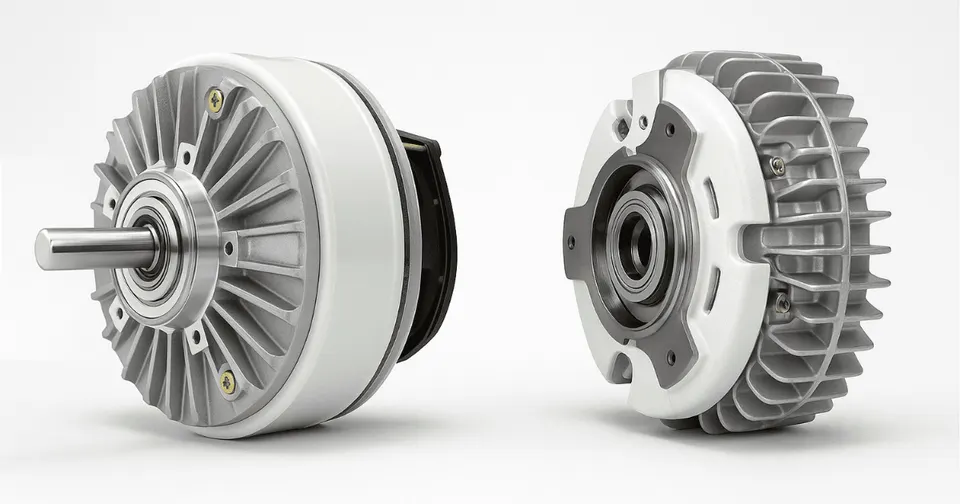
What is a Magnetic Powder Brake?
A magnetic powder brake is a type of electromagnetic brake used to apply precise torque loads in a test bench environment. It uses magnetically responsive powder inside the brake housing. When electricity passes through a coil, it creates a magnetic field, causing the powder to bond and form a resistive force, which slows or resists rotation.
Unlike traditional mechanical brakes, powder brakes offer smooth torque control, even at zero or low RPM, which is essential for controlled motor testing.
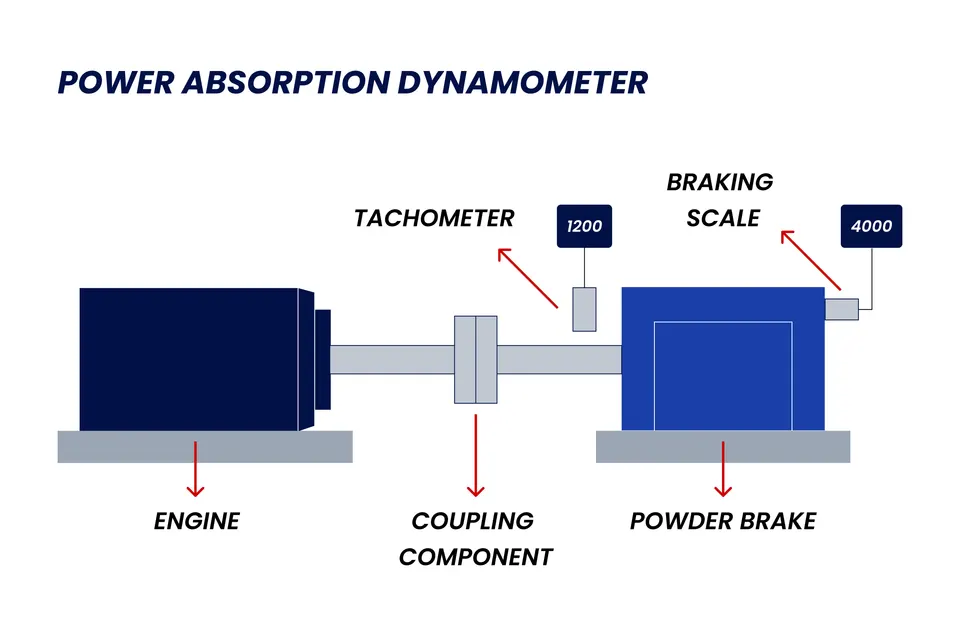
How Do Magnetic Powder Brakes Work?
Components
- Stator (fixed part with the coil)
- Rotor (rotating part connected to the shaft)
- Magnetic powder
- Housing
- Electromagnetic coil
Working Principle:
- No current: The powder is loose, and the rotor spins freely.
- Current applied: Magnetic field magnetizes the powder.
- Powder bonds: Creates a controlled resistance between rotor and stator.
- Variable torque: Torque can be adjusted by changing the input current.
Applications of Powder Brakes in Test Benches
| Industry | Automotive | Aerospace | Motor manufacturing | Appliance testing | Automation systems |
|---|---|---|---|---|---|
| Application | Testing gearboxes, transmission systems, and EV motors | Actuator load testing and material fatigue analysis | Load testing for AC/DC, servo, and stepper motors | Simulating real-life torque resistance in consumer goods | Measuring load response under different torque demands |
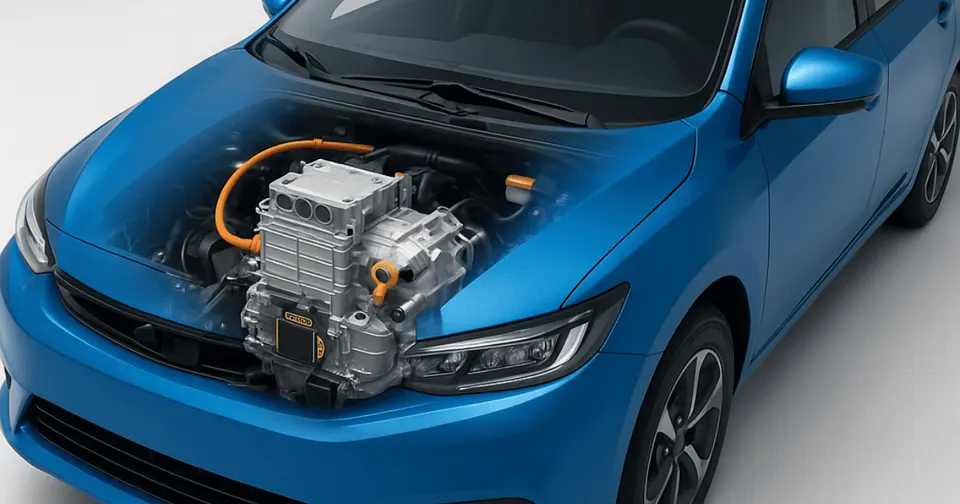
These applications help improve:
- Product quality
- Lifecycle estimation
- Real-world simulation
- R&D effectiveness
Advantages of Magnetic Powder Brakes
| Advantage | Highly Accurate Torque Control | Works at Zero Speed | Fast Response Time | Low Mechanical Wear | Stable Operation | Compact & Lightweight | Customizable |
|---|---|---|---|---|---|---|---|
| Why It Matters | Essential for precise test environments | Allows testing starting torque and idle loads | Quickly adapts to control signals | Minimal maintenance compared to friction brakes | Delivers consistent performance under varied conditions | Saves space in industrial setups | Easily paired with digital motor controllers like SOLO |
Disadvantages of Powder Brakes
| Disadvantage | Heat Buildup | Powder Deterioration | Initial Cost | Limited for High-Speed Systems |
|---|---|---|---|---|
| Impact | May require cooling systems like fans or liquid cooling | Over time, powder loses bonding strength and must be replaced | Higher than basic resistive brakes but offers more features | Not ideal for ultra-high RPM applications |
Pros and Cons Table
| Pros | Accurate, smooth torque control | No direct mechanical contact | Ideal for low-speed operations | Long service life | Easy to integrate with SOLO |
|---|---|---|---|---|---|
| Cons | Heat management required | Powder may need replacement | Not suitable for extreme RPMs | Higher upfront cost | Needs proper calibration |
Preventive Maintenance for Powder Brakes
To get the best performance and lifespan out of your magnetic powder brake, follow these maintenance practices:
- Check powder condition every 6-12 months or after intense usage.
- Monitor temperature during extended tests to avoid overheating.
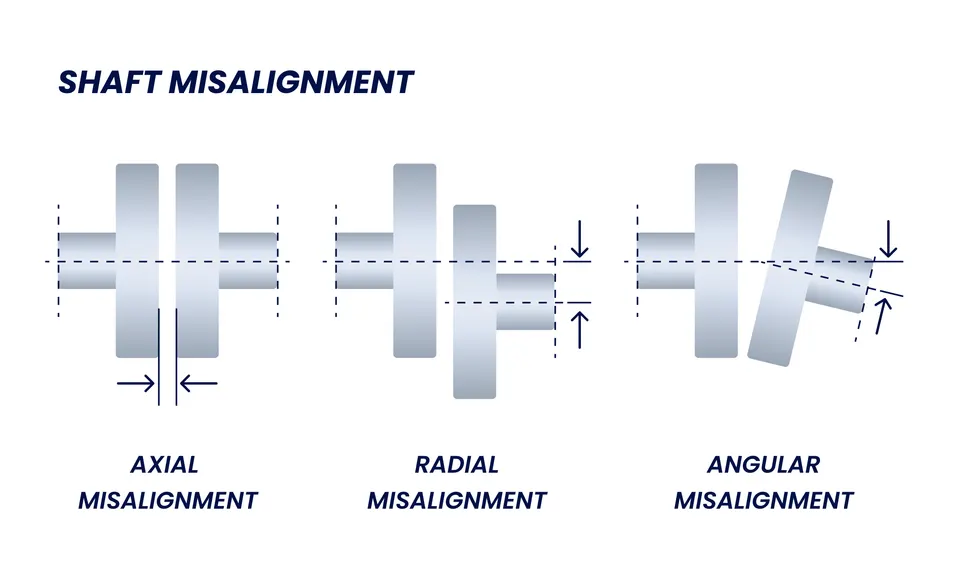
- Ensure proper alignment of shafts to prevent wear.
- Calibrate with the motor controller, especially when changing torque loads.
- Use a dust-free environment to avoid contamination of the powder.
Why Use SOLO Motor Controller with Powder Brakes?
A SOLO Motor Controller enhances the performance of your powder brake-equipped test bench by offering:
| Feature | Closed-loop torque control | PWM current regulation | Multi-motor compatibility | User-friendly software (SOLO Studio) | Real-time monitoring |
|---|---|---|---|---|---|
| Benefit in Powder Brake Application | Matches powder brake’s real-time torque feedback | Provides smoother electromagnetic control | Works with DC, BLDC, PMSM, and AC motors | Easy configuration and tuning | Essential for stress-testing and R&D |
SOLO’s advanced algorithms ensure that your test bench operates with precision, safety, and consistency — essential for product testing, prototyping, and quality control.

Conclusion
Integrating magnetic powder brakes into your test bench systems ensures precise torque control, repeatable results, and extended equipment life. When paired with the SOLO Motor Controller, you gain unmatched control, efficiency, and insight into your mechanical systems.
Whether you are designing a new R&D test setup, building a production quality control station, or simply improving your motor testing capability, SOLO’s smart motor control technology makes it seamless to implement and manage.
Related articles
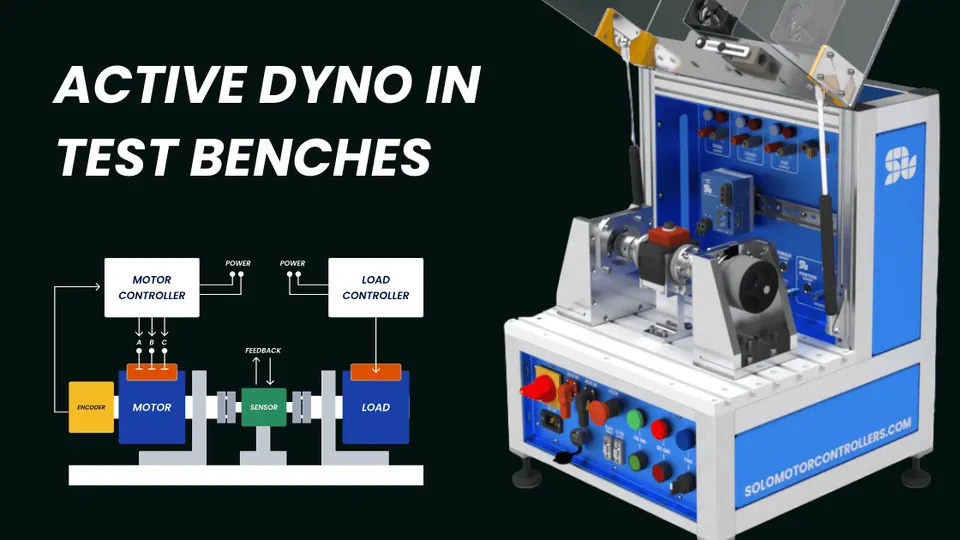
Active Dyno in Test Benches
Test EV, BLDC, and servo motors with precision using Active Dyno benches powered by SOLO Motor Controllers for bidirectional control and R&D.
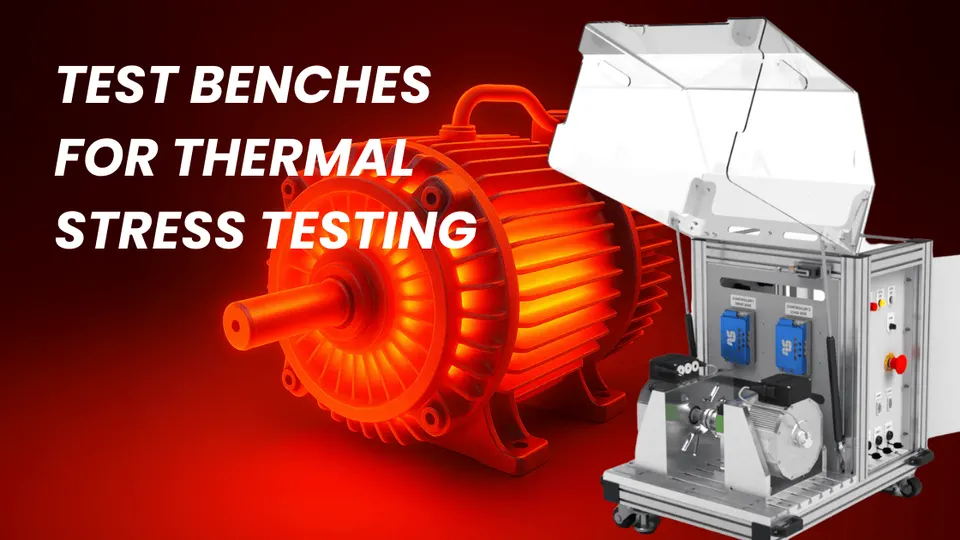
Test Bench for Thermal Stress Testing
Discover how thermal stress test benches improve motor reliability, safety, and efficiency by simulating real-world heat conditions.
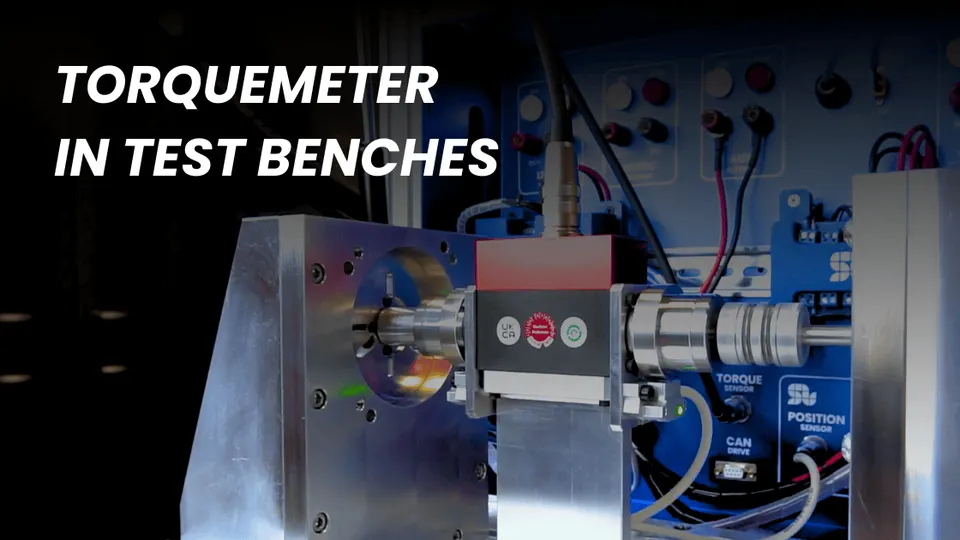
Torquemeter in Test Benches
Discover why torquemeters are essential for accurate motor testing and how SOLO Motor Controllers simplify torque-driven test bench setups.
