
Test Bench for Thermal Stress Testing
Did you know that over 55% of electronic motor failures are caused by thermal stress? This surprising statistic shows just how critical it is to understand and manage temperature in motor systems. Thermal stress testing is no longer just an optional step—it’s a vital part of motor controller development and validation.
Whether you’re designing high-performance motor drives or working with servo motors, a test bench for thermal stress testing helps ensure durability, safety, and efficiency.
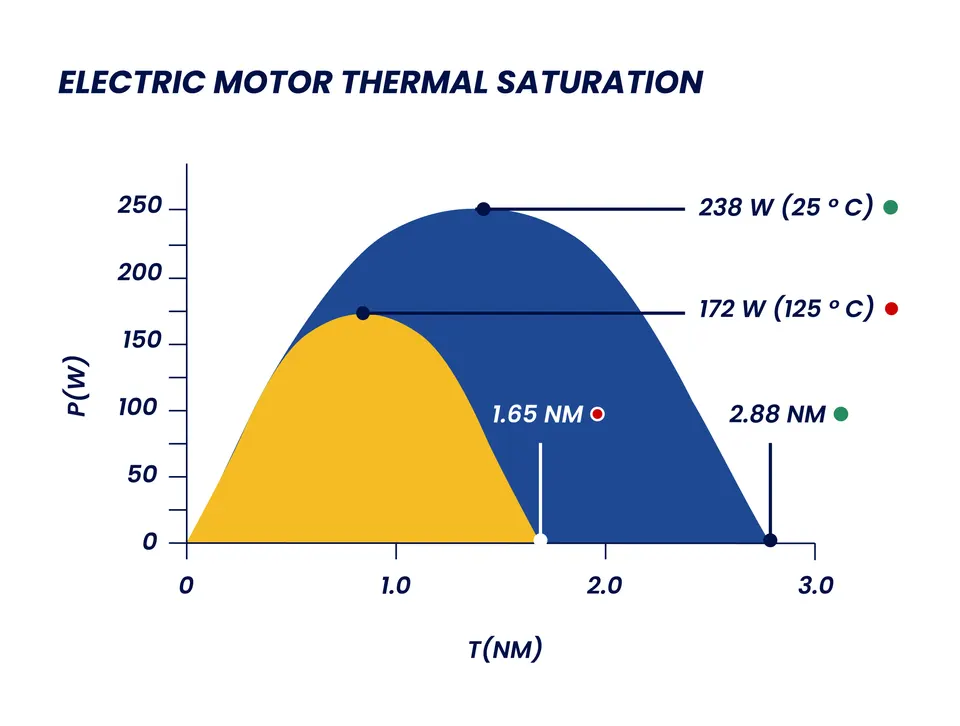
What is a Test Bench for Thermal Stress Testing?
A thermal stress test bench is a controlled environment where electrical motors and motor controllers are tested under high and varying temperatures to simulate real-world stress. This method reveals how components behave over time, helping detect weaknesses in the design or materials.
- Thermal testing evaluates:
- Heat tolerance of motor parts
- Cooling efficiency
- Thermal cycles and expansion/contraction
- Degradation under prolonged exposure
These tests are key to validating motor control systems before mass production or deployment.
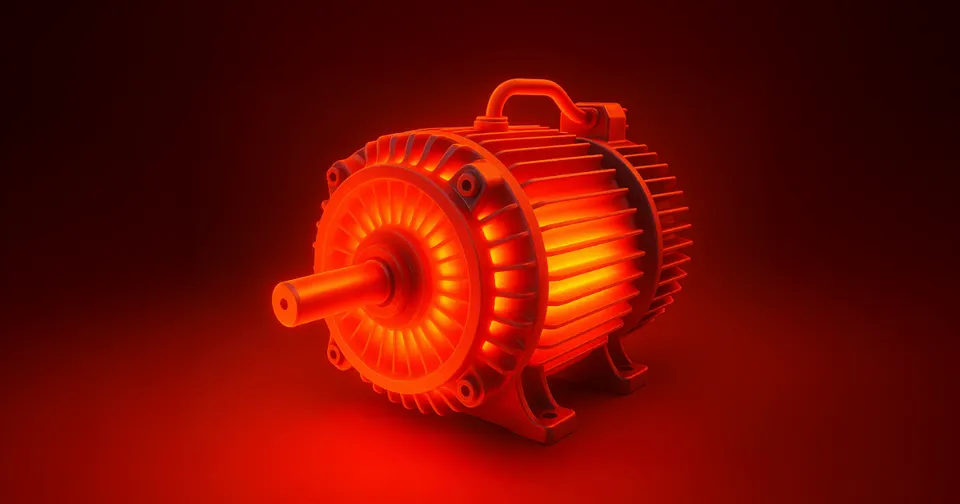
Applications of Thermal Stress Test Benches
A thermal stress test bench is useful in a wide range of industries. Here are some practical examples:
| Industry | Automotive | Robotics | Aerospace | HVAC Systems | Renewable Energy | Industrial Control |
|---|---|---|---|---|---|---|
| Application | EV traction motors, powertrain cooling systems | Servo motors in automated manufacturing arms | High-altitude thermal fluctuation testing | Fan and blower motor validation | Wind turbine generator and solar tracking motor endurance | Conveyor systems, CNC motors, and automated assembly lines |

Advantages of Thermal Stress Testing
Conducting tests on a test bench for thermal stress provides valuable benefits:
- Improved reliability: Detect failures early, before field deployment
- Extended lifespan: Identify overheating zones that cause early wear
- Better component selection: Choose materials and designs with better thermal tolerance
- Safety compliance: Meet international standards (e.g., IEC, UL, ISO)
- Accurate performance data: Real data under stress helps design better motor controllers
Disadvantages of Thermal Stress Test Benches
While essential, thermal stress testing has some challenges:
- High setup cost: Requires investment in precision sensors, cooling systems, and environmental chambers
- Time-consuming: Long test cycles are often needed to simulate aging
- Complex data analysis: Interpreting results needs engineering expertise
Despite these downsides, the benefits in product quality and safety often outweigh the costs.
Pros & Cons Summary Table
| Pros | Ensures motor reliability | Identifies weak spots in design early | Supports regulatory compliance | Improves thermal management of motor systems |
|---|---|---|---|---|
| Cons | Initial setup can be expensive | Testing may require long cycles | Needs specialized equipment and engineers | Data interpretation can be complex |
Preventive Measures During Thermal Stress Testing
To make the most of thermal stress test benches, engineers should follow these best practices:
- Use advanced motor controllers like those from SOLO that feature real-time temperature monitoring
- Calibrate all temperature sensors regularly to ensure accuracy
- Simulate real-world usage scenarios including load spikes, start/stop cycles, and overcurrent conditions
- Log thermal data continuously and review for abnormal heat patterns
- Integrate cooling systems like heat sinks, fans, or liquid cooling to maintain optimal performance
Why SOLO Motor Controller is the Ideal Partner for Thermal Testing
SOLO Motor Controller products are designed with thermal management in mind. Our systems offer:
- Built-in temperature sensors for real-time monitoring
- Advanced control algorithms that reduce thermal buildup
- Soft start features to prevent heat spikes
- Customizable firmware for specific thermal profiles
By integrating SOLO into your thermal stress test bench, you gain better control, data logging, and protection mechanisms, helping your motors operate safely even under extreme conditions.

Conclusion
Thermal stress testing isn’t just about safety—it’s about building efficient, reliable, and long-lasting motor systems. As industries demand smarter, smaller, and stronger motors, the need for thermal validation grows.
Don’t leave thermal performance to chance. With SOLO Motor Controller, you get cutting-edge technology that makes test bench thermal stress testing easier, more precise, and more effective.
Related articles
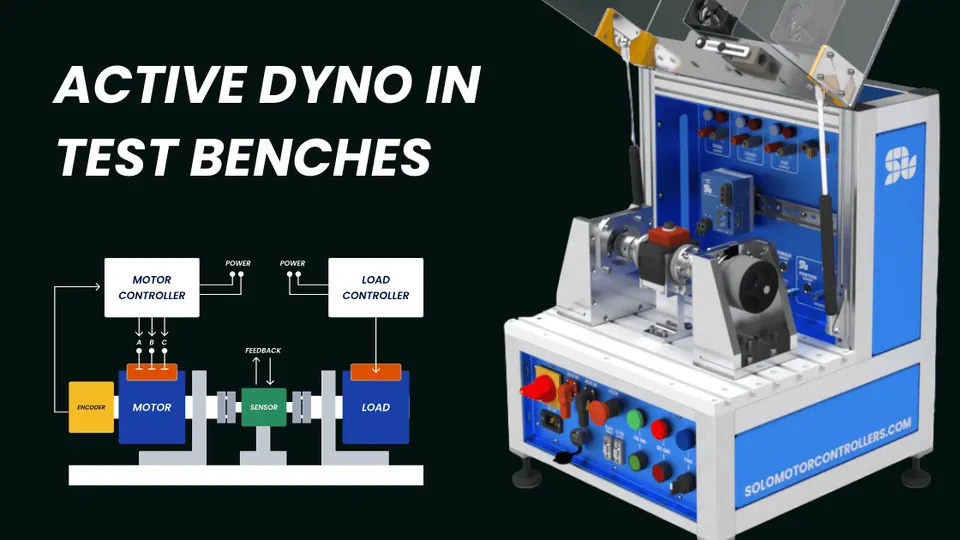
Active Dyno in Test Benches
Test EV, BLDC, and servo motors with precision using Active Dyno benches powered by SOLO Motor Controllers for bidirectional control and R&D.
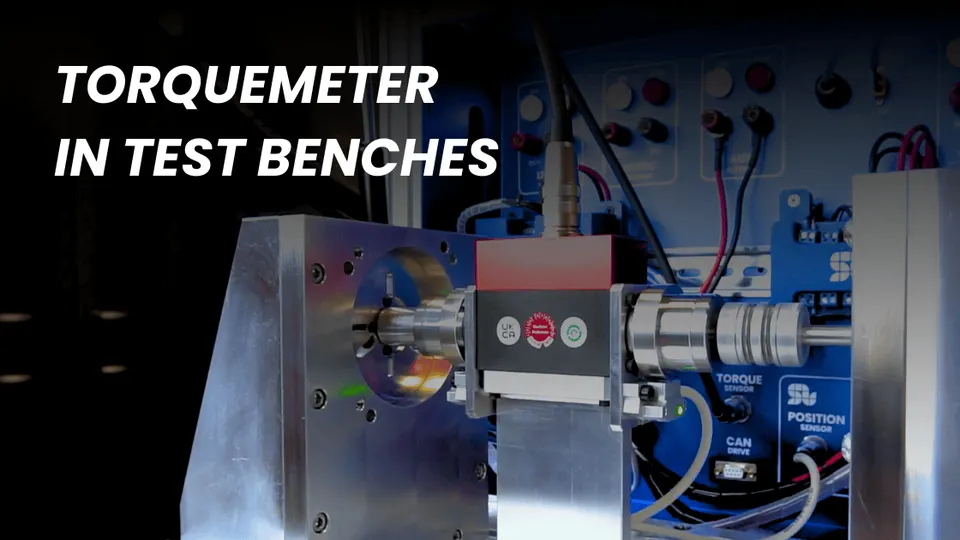
Torquemeter in Test Benches
Discover why torquemeters are essential for accurate motor testing and how SOLO Motor Controllers simplify torque-driven test bench setups.
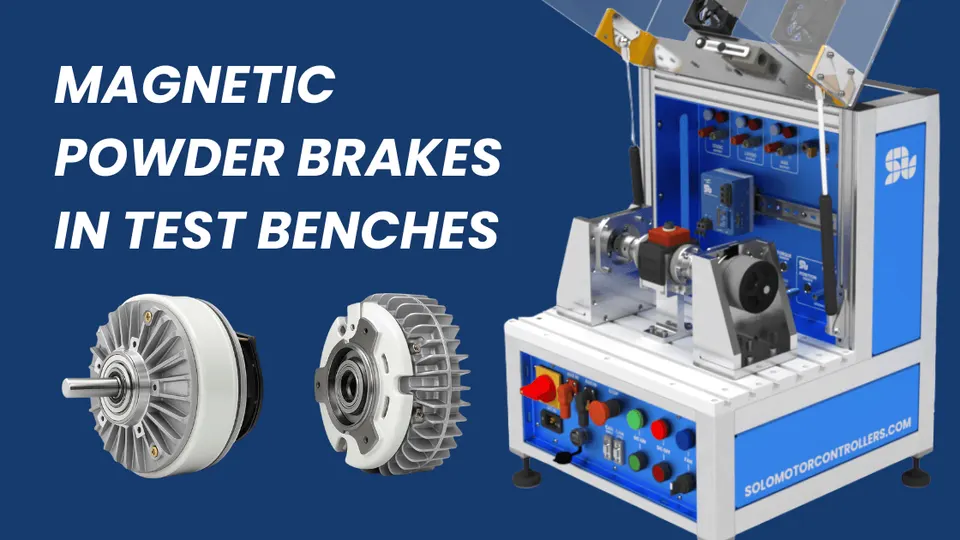
Magnetic Powder Brakes in Test Benches
Magnetic powder brakes offer precise torque control for test benches in automotive, aerospace, and R&D, enhanced by SOLO motor controllers.
