
Passive Dyno in Test Benches
Did you know that over 65% of motor testing facilities worldwide still rely on passive dyno setups to validate motor performance and efficiency? While active dynos are gaining popularity, passive dynamometers remain a critical part of motor testing benches, especially when cost, simplicity, and reliability are key. Yet, not all passive dynos are the same — and choosing the right type depends heavily on your application.
What is a Passive Dyno?
A passive dynamometer, or passive dyno, is a device used in motor test benches to measure torque, speed, and power output without adding power back into the system. Unlike active dynos, which can also absorb or drive energy, passive dynos only absorb energy, making them simpler and more cost-effective.
Depending on the test application, passive dynos can include different types of energy dissipation methods:
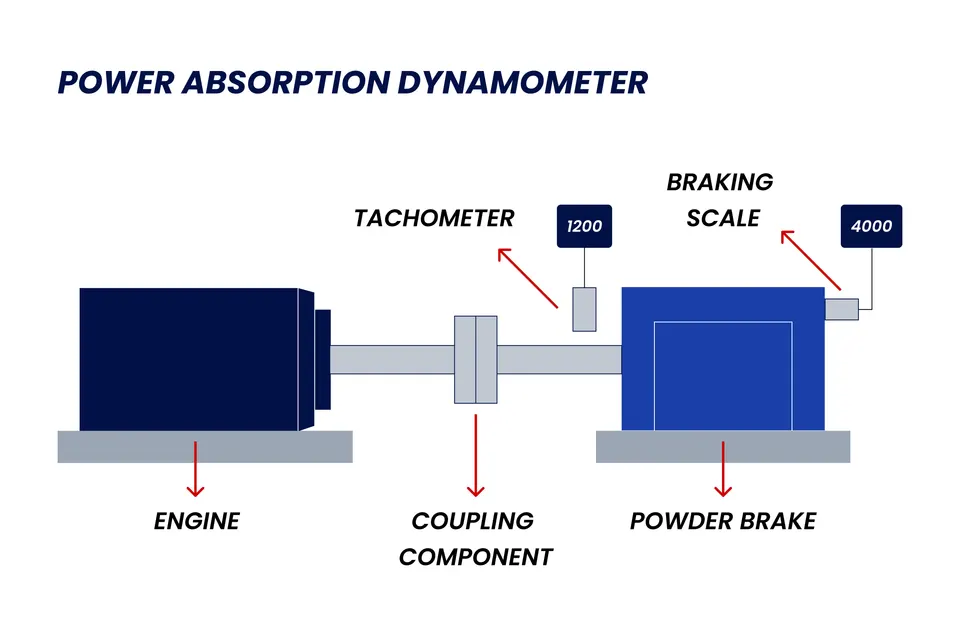
| Type of Passive Dyno | Frictional Dyno | Eddy Current Dyno | Water Brake Dyno | Inertial Dyno |
|---|---|---|---|---|
| Energy Dissipation Method | Heat dissipation via brake pads | Magnetic resistance via eddy currents | Hydraulic resistance via water | Acceleration of a heavy flywheel |
| Best Use Case | Simple load tests | Variable load, smooth response | High-power engine testing | Performance runs, data logging |
Applications of Passive Dynos in Test Benches
Passive dynos are ideal for electric motor testing in various industries. Here’s where they shine:
Electric Motor R&D
Engineers use passive dynos to evaluate motor torque curves, thermal behavior, and power efficiency.
Automotive Testing
In vehicle test benches, passive dynos are used to simulate road loads for e-motors and ICE engines.
Industrial Motor Quality Control
Manufacturers test motors before shipment to ensure they meet specs under controlled load conditions.
Academic Research
Universities use passive dynos in lab environments for educational and prototype testing purposes.
Battery and Inverter Validation
Combined with SOLO Motor Controllers, a passive dyno can be used to test full powertrain systems including inverters and battery packs.
Advantages of Passive Dynos in Motor Test Benches
Passive dynos offer a range of benefits that make them an excellent choice for many test applications.
| Advantage | Cost-Effective | Simple Setup | Reliable and Durable | Safe for Testing | Ideal for Consistent Loads |
|---|---|---|---|---|---|
| Explanation | Lower initial and operational costs than active dynos | Requires fewer components and simpler control systems | Fewer moving parts, less wear and maintenance | No back-driving or regenerative feedback issues | Perfect for testing under fixed or slowly varying loads |
Disadvantages of Passive Dynos
Despite their advantages, passive dynos come with limitations that may not suit every application.
| Disadvantage | No Power Recovery | Limited Load Control | Thermal Management Needed | Not Suitable for Dynamic Tests | Heavier and Bulky for High Power |
|---|---|---|---|---|---|
| Impact | Energy is wasted as heat instead of being reused | Load variation is less precise compared to active dynos | Heat dissipation systems are required for long tests | Cannot simulate rapidly changing load conditions effectively | High-power setups can be large and space-consuming |
Pros and Cons of Passive Dyno in Motor Testing
Let’s summarize the pros and cons for quick decision-making:
Pros
- Lower cost
- Simple configuration
- High reliability
- Safe operation
- Perfect for steady-state tests
Cons
- No regenerative feedback
- Limited dynamic simulation
- Higher thermal load
- Less control flexibility
Preventive Measures When Using Passive Dynos
To make the most of your passive dyno test bench, implement these preventive measures for performance and safety:
- Use Accurate Motor Controllers: Integrate SOLO Motor Controllers for real-time torque, speed, and current control to ensure precise test conditions.
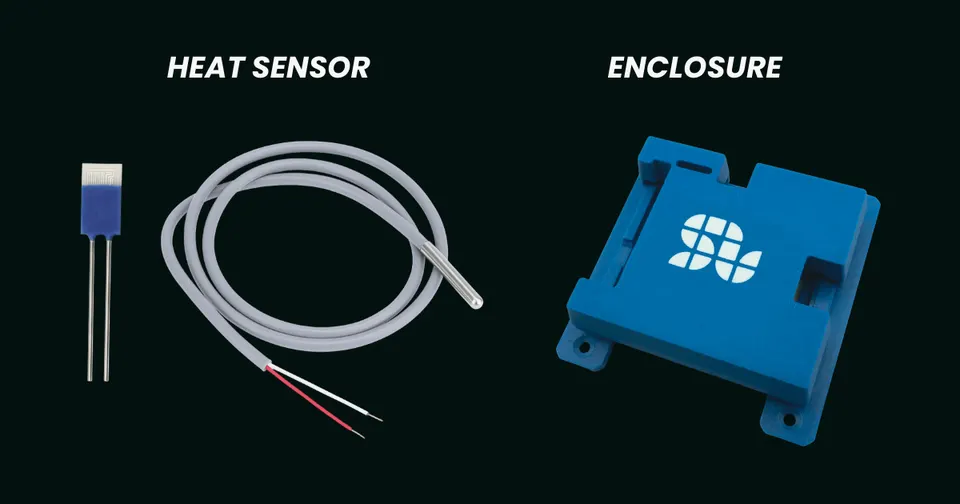
- Monitor Temperature Constantly: Use thermal sensors and fans to prevent overheating of dyno elements.
- Calibrate Regularly: Ensure your dyno’s sensors are calibrated for torque and speed to maintain accuracy.
- Use Data Logging Systems: Connect your test bench to ROS2 or other platforms for synchronized logging and repeatability.
- Check Load Profiles: Define the exact load cycles your dyno will simulate, and ensure they’re within the safe operating range.
- Use Protective Enclosures: Shield rotating parts and hot surfaces to avoid accidents during high-speed tests.
Active vs. Passive Dyno: Which One Should You Use?
Choosing between active and passive dynos depends on your testing goals:
| Parameter | Cost | Control Precision | Energy Recovery | Setup Complexity | Dynamic Simulation | Best For |
|---|---|---|---|---|---|---|
| Passive Dyno | Lower | Moderate | None | Simple | Limited | Load testing, durability |
| Active Dyno | Higher | High | Yes | Complex | Full capability | Efficiency maps, fast transitions |
If your testing doesn’t require regenerative power or high-speed dynamic simulation, then a passive dyno is often the better, more economical choice.
Why Choose SOLO Motor Controller for Passive Dyno Applications?
At SOLO Motor Controller, we understand the technical and budgetary challenges of setting up a motor test bench using a passive dyno. That’s why our controllers are:
- Optimized for Dyno Testing: SOLO controllers offer precise current, torque, and speed control, ideal for use in passive dyno applications.
- ROS2 Compatible: Easily integrate into modern test automation systems.
- Supports Multiple Motor Types: BLDC, PMSM, Brushed DC, and more.
- Real-Time Feedback: Monitor motor performance in real time for more accurate data collection.
- Compact & Scalable: Use for lab setups or scale to industrial test benches.
With SOLO Motor Controllers, you can maximize the potential of your passive dyno setup by gaining better control, real-time insight, and smooth automation — without the complexity or cost of an active dynamometer system.

Conclusion
Using a passive dyno in motor test benches is a smart and effective method for motor validation, endurance testing, and system performance analysis — especially when cost and simplicity matter. While passive systems lack the dynamic flexibility of active dynos, they are highly reliable, safe, and cost-efficient when paired with the right control hardware.
SOLO Motor Controllers offer the precision, reliability, and real-time feedback needed to make the most out of your passive dyno test environment. Whether you’re designing a small test bench or a large industrial test rig, SOLO helps you streamline your setup and get accurate, consistent results.
Related articles
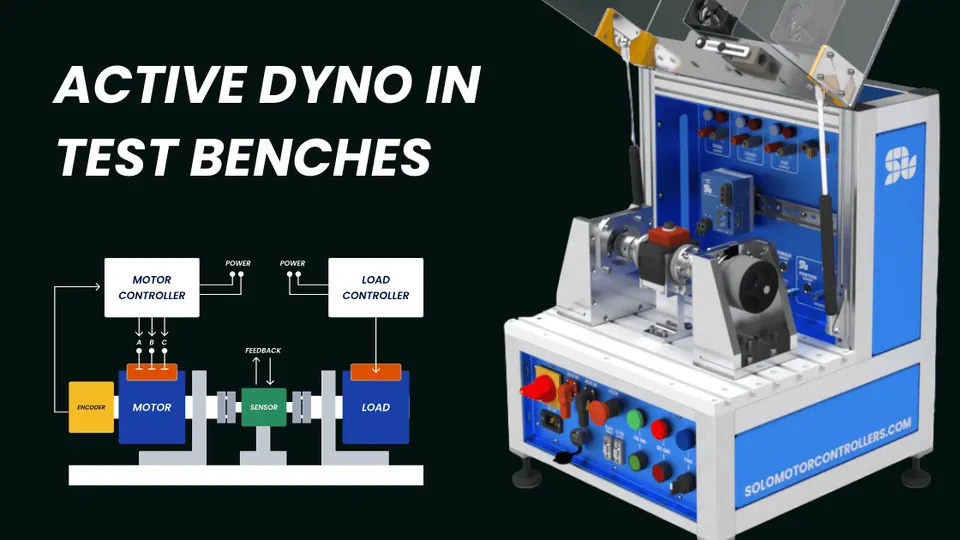
Active Dyno in Test Benches
Test EV, BLDC, and servo motors with precision using Active Dyno benches powered by SOLO Motor Controllers for bidirectional control and R&D.
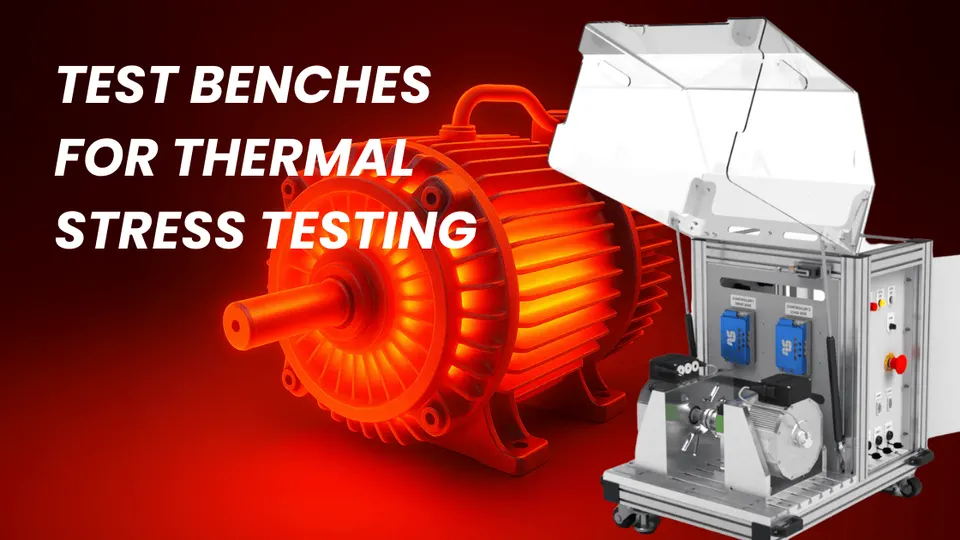
Test Bench for Thermal Stress Testing
Discover how thermal stress test benches improve motor reliability, safety, and efficiency by simulating real-world heat conditions.
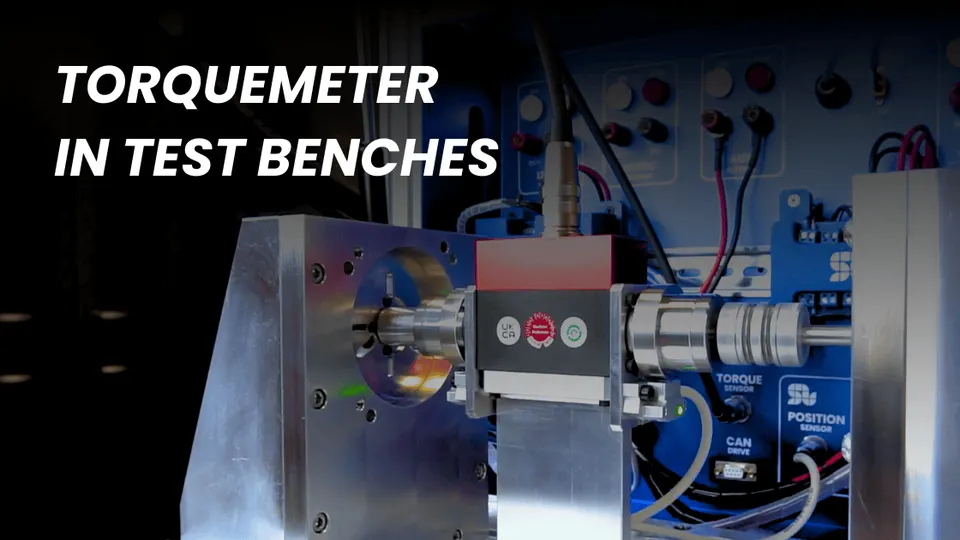
Torquemeter in Test Benches
Discover why torquemeters are essential for accurate motor testing and how SOLO Motor Controllers simplify torque-driven test bench setups.
