
Emergency Systems for Motor Test Setups
Did you know that over 30% of industrial test bench failures are caused by improper safety systems or emergency shutdown mechanisms?
This staggering number highlights the importance of having a reliable emergency system when conducting motor testing procedures. Whether testing BLDC motors, PMSM motors, or brushed DC motors, any motor test setup without a robust emergency protocol is a risk to both equipment and human safety.
At SOLO Motor Controller, we believe safety is not optional—it’s essential. In this article, we’ll explore the emergency systems for motor test setups, their applications, advantages, challenges, and how to implement them effectively. And yes, we’ll also explain why SOLO Motor Controllers are the perfect fit for your custom motor test bench.
What Are Emergency Systems in Motor Testing?
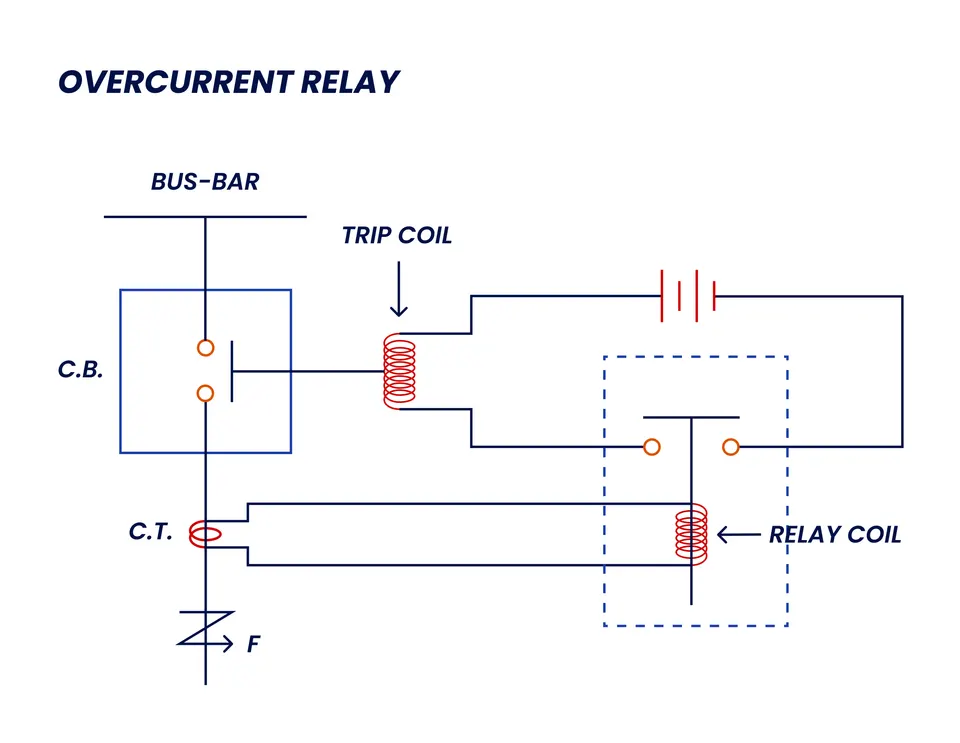
Emergency systems are protective mechanisms built into a motor testing setup that respond to abnormal operating conditions, such as overheating, overcurrent, electrical faults, or mechanical failure. Their role is to prevent damage and ensure operator safety.
Emergency systems can include:
- Emergency stop buttons
- Overcurrent relays
- Temperature cutoffs
- Automatic shutdown triggers
- Fault detection and diagnostics
Application Areas for Emergency Systems in Motor Test Benches
Emergency systems are applied in a variety of motor test setups, especially in:
| Application Area | R&D labs | Automotive industry | Industrial automation | Aerospace and defense | Electric vehicle startups |
|---|---|---|---|---|---|
| Purpose | Testing motor behavior under different conditions | EV drivetrain and performance verification | Verifying motor reliability in long-term operation | Validating safety-critical motor functions | Low-voltage motor test benches for prototypes |
In every case, the design of the safety protocol depends on the application and the user. It’s vital to customize the emergency features based on use cases and potential failure modes.
Advantages of Emergency Systems
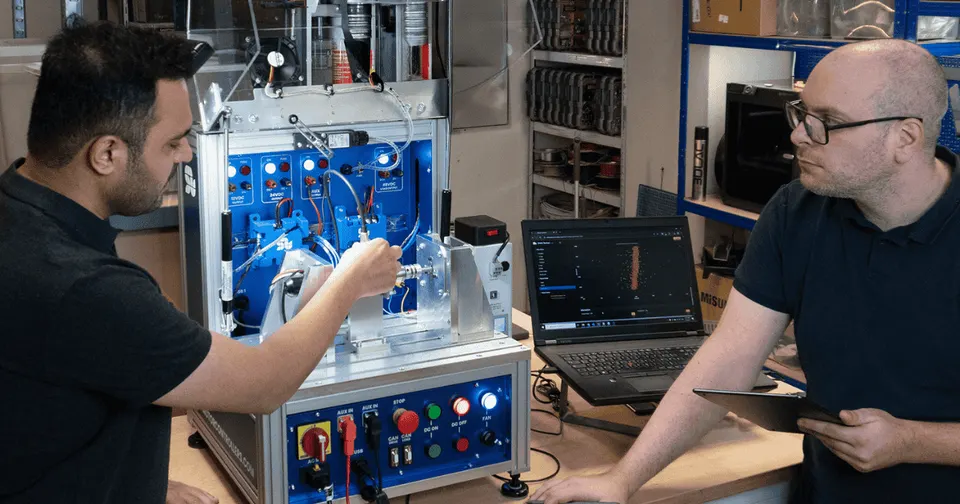
Implementing well-structured emergency systems brings numerous advantages:
1. Equipment Protection
Emergency systems shut down the system before a fault can escalate, saving expensive motors and drives from permanent damage.
2. Operator Safety
They ensure safety during unexpected failures, preventing injuries in high-speed or high-voltage environments.
3. Compliance
Many industries require safety standards such as ISO 13849, IEC 60204, or CE compliance—emergency systems help meet these.
4. Reduced Downtime
By catching problems early, you avoid long maintenance cycles or entire setup rebuilds.
Disadvantages and Limitations
Despite their benefits, emergency systems come with certain challenges:
| Disadvantage | False triggers | Complexity | Cost | Maintenance |
|---|---|---|---|---|
| Details | Poorly calibrated sensors can stop the system unnecessarily | Integration of multiple safety layers increases complexity | More sensors and hardware mean higher initial investment | These systems themselves must be tested and maintained regularly |
That’s why, at SOLO Motor Controller, we design custom test benches with safety in mind, ensuring balanced integration without compromising on simplicity.
Pros and Cons Table of Emergency Systems
| Pros | Protects life and equipment | Reduces downtime and maintenance costs | Ensures compliance with industrial standards | Increases confidence in testing accuracy |
|---|---|---|---|---|
| Cons | May increase initial costs | Can lead to false positives if poorly tuned | Requires additional sensors and hardware | May need regular firmware/software updates |
Preventive Measures: Planning Ahead for Safety
While emergency systems act after a fault, preventive measures help avoid emergencies altogether:
- Use real-time monitoring for current, voltage, and temperature
- Implement predictive maintenance algorithms
- Ensure your setup uses quality motor controllers, like SOLO, which include fault detection and self-protection
- Schedule routine system checks and calibrations
- Perform risk assessment studies before launching tests
Why Customization Is Key
No two test benches are the same.
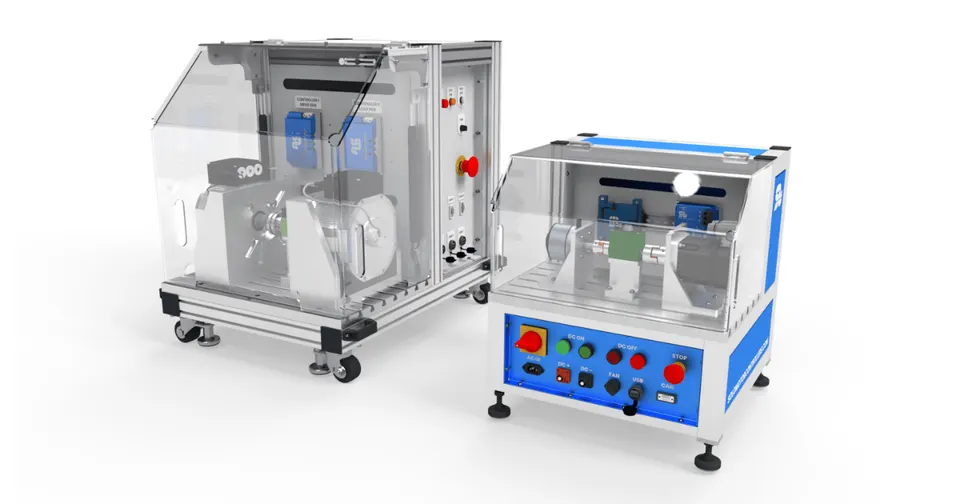
At SOLO Motor Controller, we don’t believe in one-size-fits-all solutions. We design every test bench based on a thorough study of customer requirements, tailoring the motor controller, emergency logic, and system behavior for each project.
In any case, it depends on the application and the user to properly distribute safety features across all likely scenarios.
Our controllers support flexible configurations including programmable safety limits, CANopen, UART, and analog controls, making integration into your system seamless.
Conclusion
When it comes to emergency systems for motor test setups, ensuring safety should never be an afterthought. A well-integrated motor safety system helps protect equipment, maintain operator safety, reduce downtime, and ensure compliance with industry standards. With the right combination of motor controllers, monitoring tools, and customized emergency protocols, motor testing can be both efficient and secure. It’s essential to evaluate the specific requirements of each application and carefully distribute safety measures across all potential risk scenarios. Whether you’re designing a new test bench or upgrading an existing one, make safety a core part of your motor test setup development process.
Products in this article
Related articles
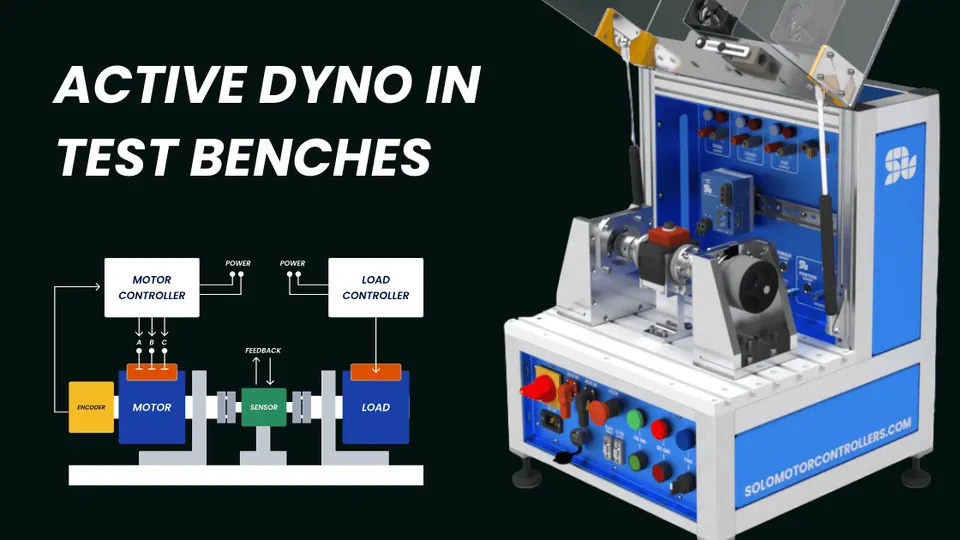
Active Dyno in Test Benches
Test EV, BLDC, and servo motors with precision using Active Dyno benches powered by SOLO Motor Controllers for bidirectional control and R&D.
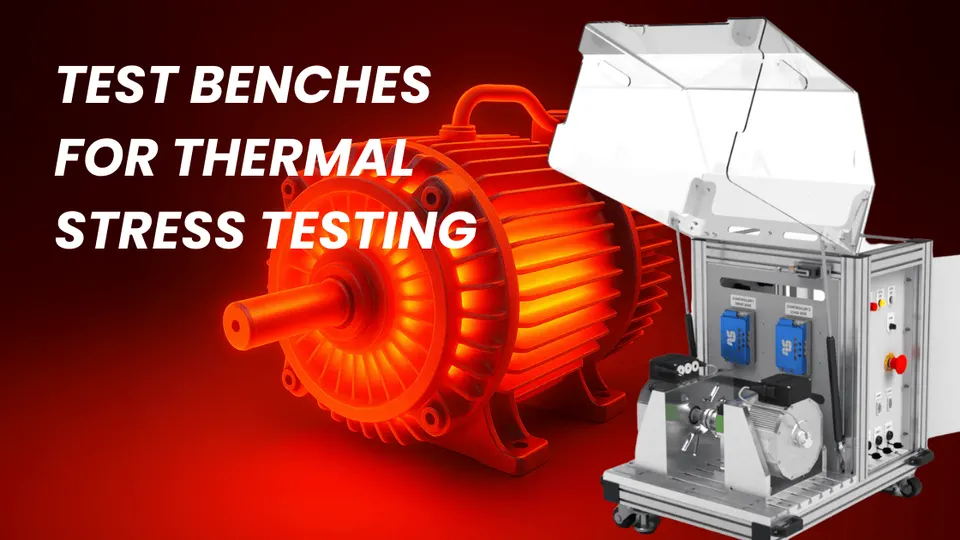
Test Bench for Thermal Stress Testing
Discover how thermal stress test benches improve motor reliability, safety, and efficiency by simulating real-world heat conditions.
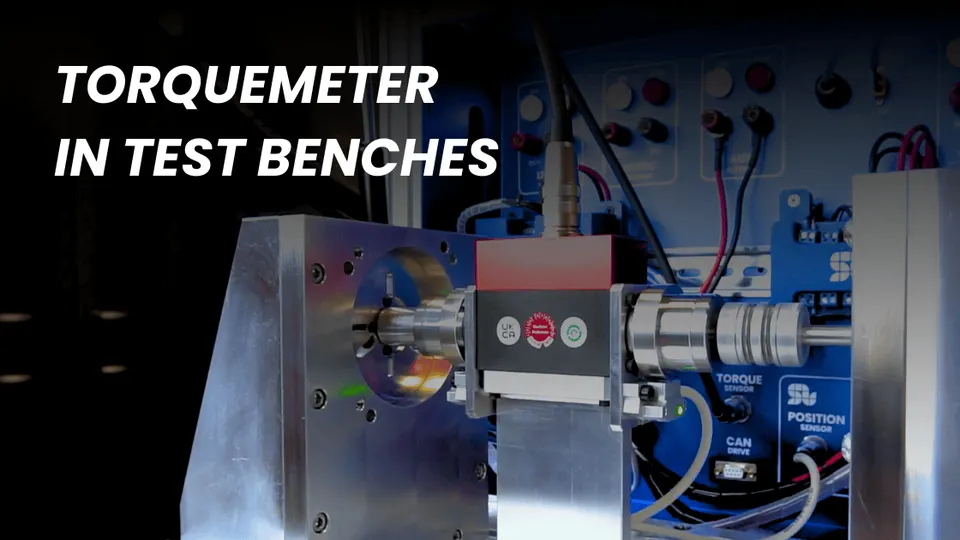
Torquemeter in Test Benches
Discover why torquemeters are essential for accurate motor testing and how SOLO Motor Controllers simplify torque-driven test bench setups.
