
Build vs Buy a Motor Test Bench: Total Cost and ROI
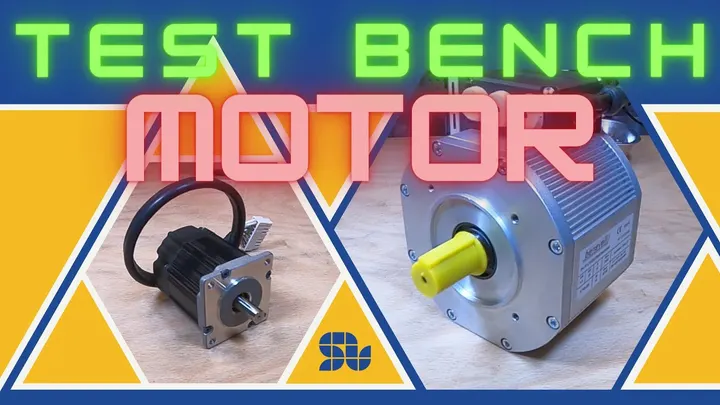
Introduction
Building a motor test bench from scratch needs four different skill sets in one room: motor control, analysis algorithms, mechanics and integration, and the reporting software that turns raw logs into a report you can trust. Few teams have all four to spare, and the ones that do usually want to spend them on their own product, not on lab equipment.
So the honest question is not really “build or buy”. It is “how much of my own engineering do I want to bet on a tool”. This article gives you a total-cost-of-ownership view, so you can see where the money and the risk actually sit before you decide.
The Real Cost of Building In-House
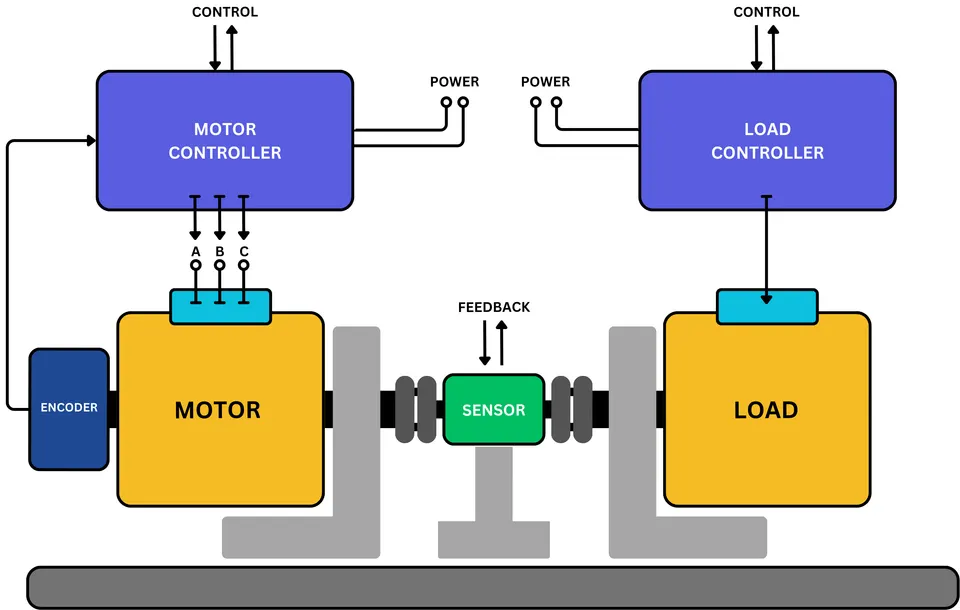
The sticker price of parts is the easy number. A motor, a load, a torque sensor, and a frame look affordable on a spreadsheet. The real cost hides in the engineering hours, the validation, and the years of upkeep after the build is done. Below are the three places where a DIY bench gets expensive.
Engineering Time and Opportunity Cost
A working bench is not one project. It is several at once. You need a drive that runs DC, BLDC, PMSM, or induction motors, a load you can control across the full speed range, sensor acquisition that samples fast and clean, and software that logs, plots, and exports. Each of these is a real engineering effort on its own.
The hidden cost is opportunity cost. Every week an engineer spends on the bench is a week not spent on the product you sell. For a small team, that trade is usually the most expensive part of the whole build, and it never shows up on the bill of materials.
Takeaway: the bench competes with your roadmap for the same scarce engineers.
Calibration, Accuracy and Validation Risk
A bench is only useful if you can trust its numbers. That trust does not come for free. A torque sensor needs calibration against a known reference. Current and voltage channels need to be checked. Timing between channels has to line up, or your efficiency map drifts.
Here is the trap: a DIY bench can look like it works while quietly reading 5% high on torque. You will not see the error until a field return or a customer audit forces you to recheck. Unvalidated data is worse than no data, because it makes you confident in the wrong answer. Getting traceable accuracy is slow, and it is the part most home-built benches skip.
Takeaway: an uncalibrated bench produces numbers you cannot defend.
Maintenance and Obsolescence
The build is the beginning, not the end. Couplings wear, bearings need replacing, and firmware needs updates when you add a new motor type. When the one engineer who wrote the acquisition code leaves, that knowledge can leave with them.
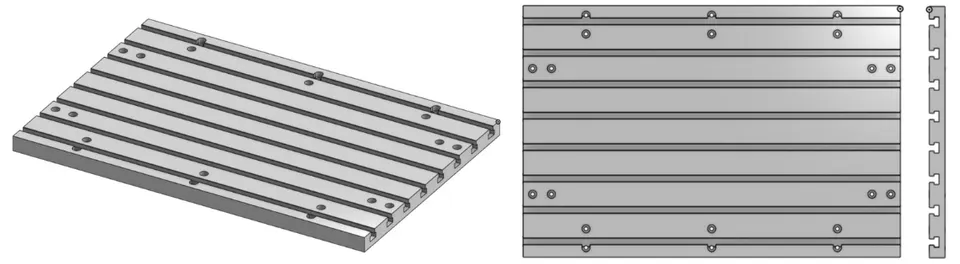
The mechanics matter more than people expect. A rigid, repeatable frame is what keeps results consistent over time, and that usually means a proper T-slot baseplate and a well-aligned coupling, not a plate drilled by hand. Our video on the T-slot design below shows why the mechanical base is harder to get right than it looks.
Takeaway: a bench is a long-term commitment to maintenance, not a one-time build.
The Case for Buying
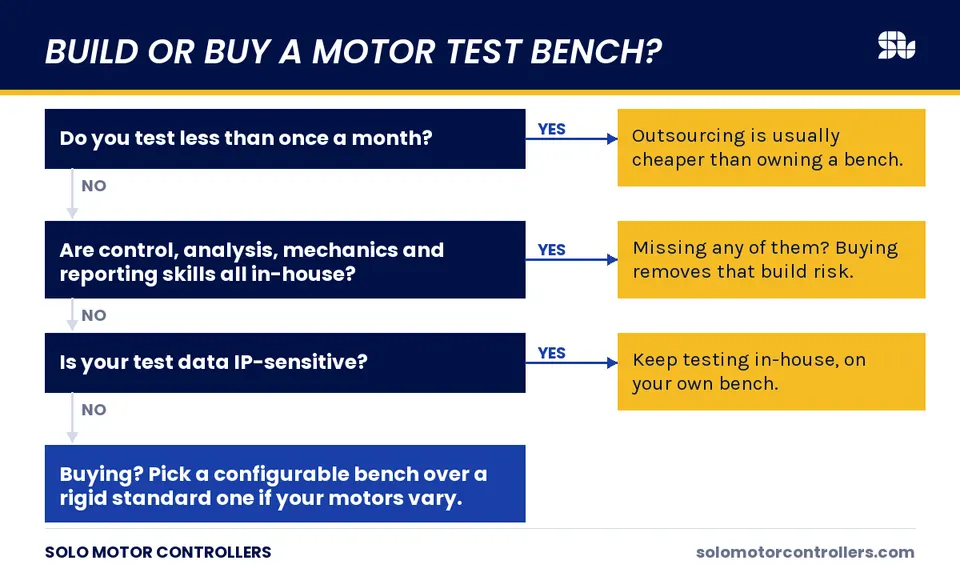
Buying shifts the engineering risk off your team and onto a supplier whose whole job is building benches. You trade some up-front cash for speed and certainty. The value shows up in two places.
Time-to-Data
A bought bench gives you measured numbers in weeks, not quarters. There is no design phase, no debugging the acquisition chain, no second pass on calibration. You uncrate it, couple your motor, and start collecting data.
For a team racing a product to market, time-to-data is often the deciding factor. A field problem you catch one month earlier is far cheaper than the same problem caught after shipping. The bench pays for itself the first time it stops a bad batch.
Supported, Calibrated, Safe
A bench from a supplier arrives calibrated, with traceable accuracy, and with the safety systems already in place: a hard emergency stop, guarding, and over-speed and over-temperature cutoffs. You also get support when something breaks, instead of owning every failure yourself.
One caution. Buying well does not mean grabbing the first standard, off-the-shelf bench you find. A rigid catalog bench fits a fixed envelope of power, voltage, and protocols. If your motor sits outside that envelope, you discover the limit after the purchase, and then you spend engineer time working around it. The safer path is a bench you can configure to your motors, which is the heart of the standard versus custom decision.
Takeaway: buying buys you speed and calibration, but pick a bench that fits your motors, not a rigid one you adapt to.
A Total Cost of Ownership Model
To compare fairly, look past the purchase price and add up everything over a few years. The table below sketches a typical 3-year total cost of ownership for a mid-power bench. The numbers are illustrative, not a quote, but the shape of the comparison holds across most projects.
| Cost item (3 years) | Build in-house | Buy a bench |
|---|---|---|
| Hardware / capex | Lower on paper | Higher up front |
| Engineering time | High (design, code, debug) | Near zero |
| Calibration & validation | Your burden, recurring | Included, traceable |
| Safety systems | Design and verify yourself | Built in |
| Maintenance & support | Your team owns it | Supplier-backed |
| Downtime risk | High (one expert dependency) | Lower |
| Time-to-first-data | Months to a year | Weeks |
The lesson from this table is simple. The line that looks cheap on a DIY build, the hardware, is the smallest part of the real cost. The expensive lines are engineering time, validation, and the risk of bad data. Those are exactly the lines a bought, calibrated bench removes. For a deeper payback view, weigh in-house testing against outsourcing over a few years.
Takeaway: compare total cost over years, not the parts list, and the cheap option often flips.
When Building It Yourself Still Makes Sense
To be fair, a DIY bench is not always wrong. There is a narrow case where it fits: a very small scope, a near-zero budget, and a motor that never changes. If you only need a rough torque-speed check on one small motor, and you already have the control and software skills in-house, a minimal home-built rig can do the job. Our guide to a mini motor dyno using SOLO shows how far a simple setup can go.
That case is rare, though. The moment you need traceable accuracy, multiple motor types, or data you can put in front of a customer, the DIY route stops being the cheap option.
Pros, Cons & Trade-offs
No single path wins for everyone. The right choice depends on how unusual your motors are, how often you test, and how much spare engineering you have.
| Path | Pros | Cons | Reality |
|---|---|---|---|
| Build in-house | Full control, low parts cost | Needs control, algorithm, mechanical, and reporting skills together; long; calibration risk | Rarely worth it outside a tiny, fixed scope |
| Buy standard off-the-shelf | Fast, calibrated, supported | Fixed power, voltage, and protocol envelope; rigid if your motor is unusual | Fine only if your motors fit the standard |
| Buy configurable (built to spec) | Fits your motors and protocols, calibrated and safe | Higher up-front cost than a bare DIY parts list | The safer choice when requirements vary |
The common mistake is to read this as “cheap DIY versus expensive purchase”. The real trade-off is engineering risk versus up-front cash. A DIY bench moves the cost off the invoice and onto your team’s time and your data’s reliability. A configurable bought bench moves it back onto the invoice, where it is predictable.
How SOLO Helps You Skip the Build Risk
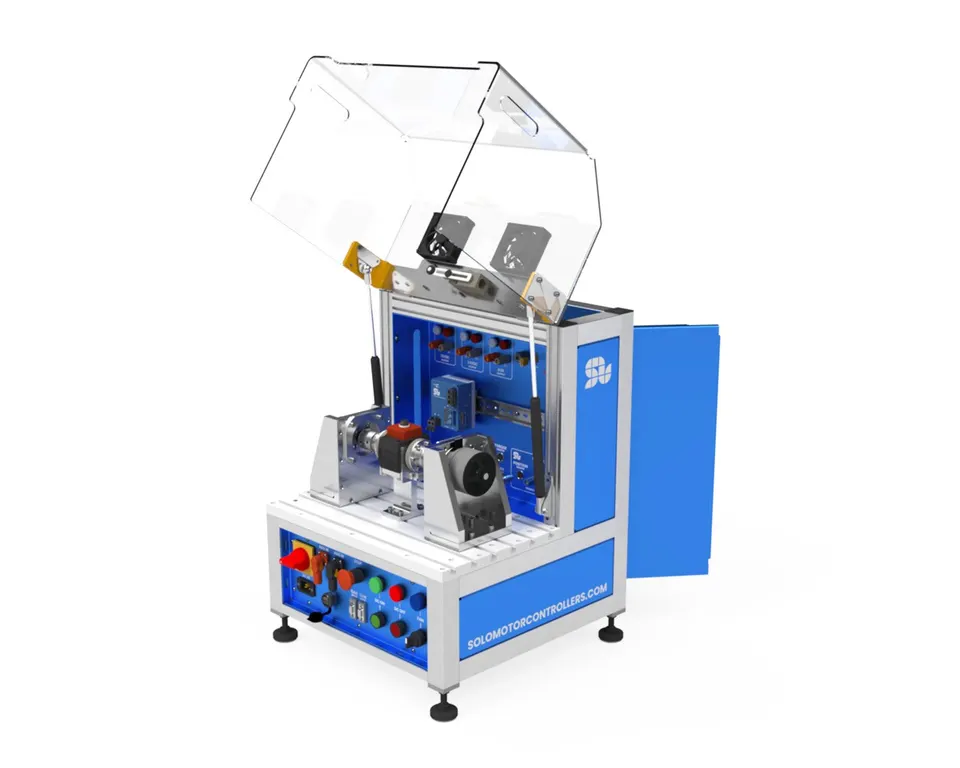
At SOLO we build motor test benches around the same controllers we make, so the hard parts of a DIY build, the motor control, the calibration, and the reporting software, come already solved. We configure the bench to your needs at any level, from the dyno and sensors to the protocols and the report, instead of handing you a fixed envelope you have to design around.
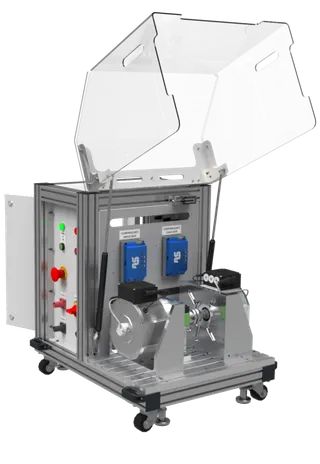
In practice that means one bench can handle DC, BLDC, PMSM, and AC induction motors, with active or brake loading, calibrated torque and temperature sensing, and automated logging over CANopen or EtherCAT. You skip the months of build and validation, and you still get a bench shaped around your motors. You can see the current SOLO motor test bench and tell us your specs.
Conclusion
Build versus buy is really a question about risk. Building in-house looks cheap on the parts list, but the true cost lives in engineering time, calibration, and the chance of trusting bad data. Buying moves that risk to a supplier and gives you measured numbers in weeks. The narrow case for DIY is a tiny, fixed scope with skills already on hand. For most teams, a configured, calibrated bench costs less over its life than a home-built one you keep fixing. If you want a second opinion on a spec, the SOLO test bench page is a good next step, and our team can review your requirements.
FAQ
Is it cheaper to build your own motor test bench?
On the parts list, yes. In total cost, usually no. A DIY bench hides its real cost in engineering hours, calibration, and the risk of unvalidated data. Once you add those, a bought and calibrated bench is often cheaper over a few years, especially if your motors vary or you need data you can defend.
How long does it take to build a test bench?
A capable bench is several engineering projects at once: the drive, the controllable load, the sensor acquisition, and the reporting software. For a small team that is typically months, and often closer to a year once calibration and safety are done properly. A bought bench gets you to first data in weeks.
What are the risks of a DIY dyno?
The biggest risk is unvalidated accuracy. A home-built dyno can read torque several percent off and still look like it works, which makes you confident in wrong numbers. Other common risks are missing safety systems, a single-expert dependency for maintenance, and a rigid setup that cannot handle a new motor type later.
Should I buy a standard bench or a configurable one?
Buy standard only if your motors clearly fit its fixed envelope of power, voltage, and protocols. If your requirements vary or your roadmap is still moving, a configurable bench built to your specs avoids the trap of buying something that almost fits and then working around it for years.
Tags:Build vs BuyROITest Bench
Products in this article
Related articles
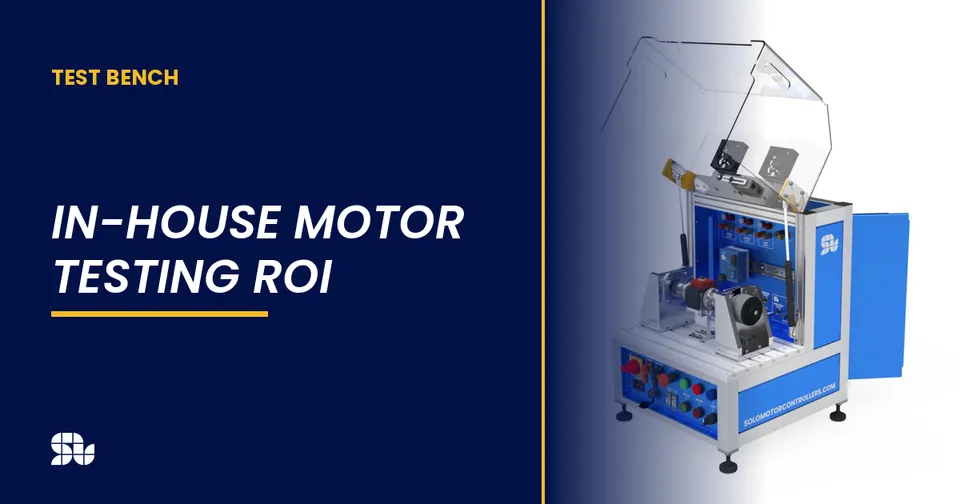
In-House Motor Testing ROI: When a Test Bench Pays Off
When does an in-house motor test bench pay for itself versus outsourcing? A simple ROI and payback model for motor testing.
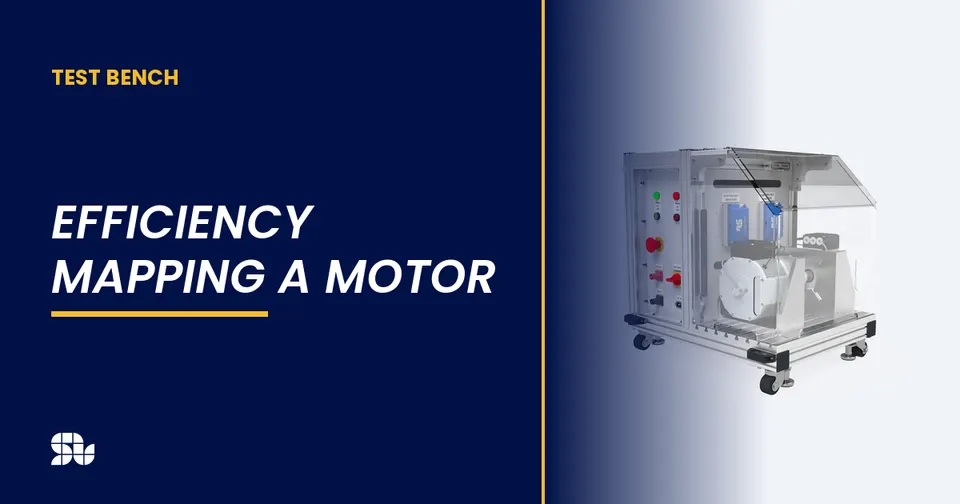
Efficiency Mapping a Motor: Method and What It Reveals
How to build a motor efficiency map on a test bench: the measurement method, the torque-speed grid, and what the map reveals about a motor.
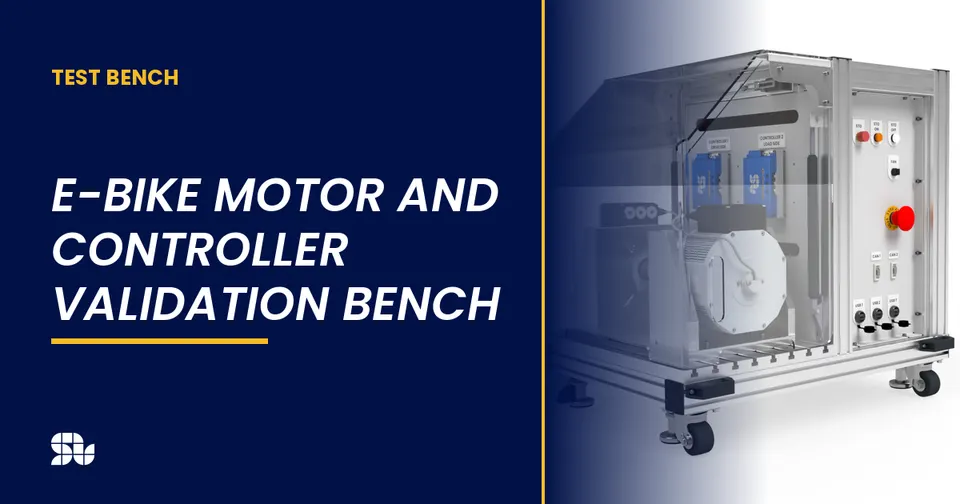
E-Bike Motor and Controller Validation Bench
How to validate an e-bike motor and controller on a bench: torque and cadence, assist profiles, regen and the metrics that matter for e-bikes.
