
Reading SOLO Faults: Error Register and Troubleshooting
How to read the SOLO error register in Motion Terminal and fix common motor controller faults step by step, from overcurrent to encoder and CAN errors.
Tag
23 articles · page 2 of 2
How to read the SOLO error register in Motion Terminal and fix common motor controller faults step by step, from overcurrent to encoder and CAN errors.
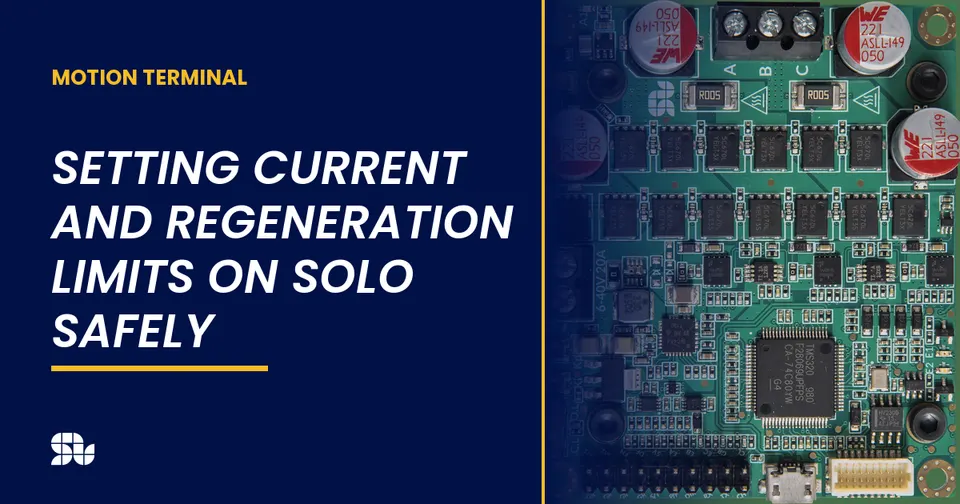
How to set the motor current limit and regeneration limit on SOLO to protect your motor, controller and power supply, with safe values.

A decision guide to choosing your motor feedback: sensorless vs encoder vs hall. Match the feedback mode to your speed range, torque and accuracy needs on SOLO.
How to tune the position loop on SOLO: set Kp and Ki for accurate, stable positioning without overshoot. A practical Motion Terminal guide.
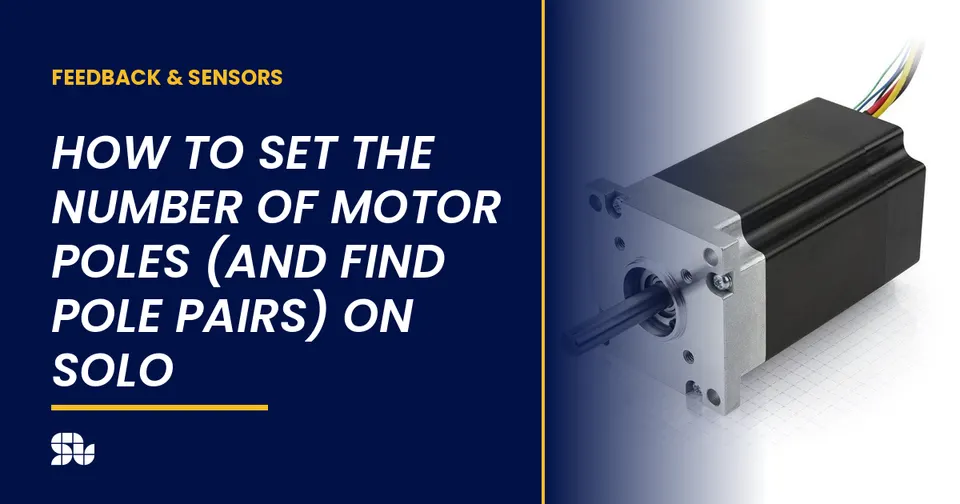
How to set the number of motor poles on SOLO and find your pole pairs: read the datasheet, count magnets, and configure poles correctly in Motion Terminal.
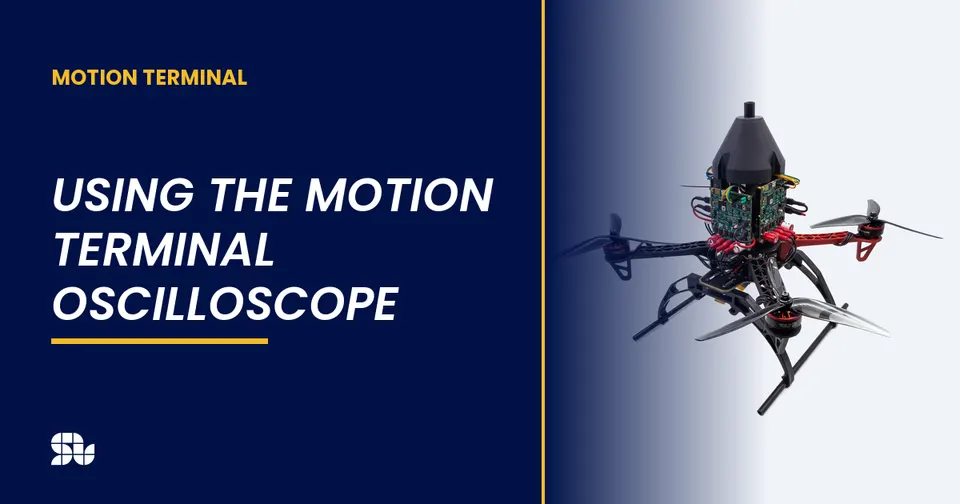
How to use the built-in oscilloscope in SOLO Motion Terminal to monitor Iq, Id, speed and position in real time, and tune with confidence.

How SOLO holds full torque at zero speed without sensors. What ZSFT is, when to use it, and how to set up zero speed sensorless control in Motion Terminal.
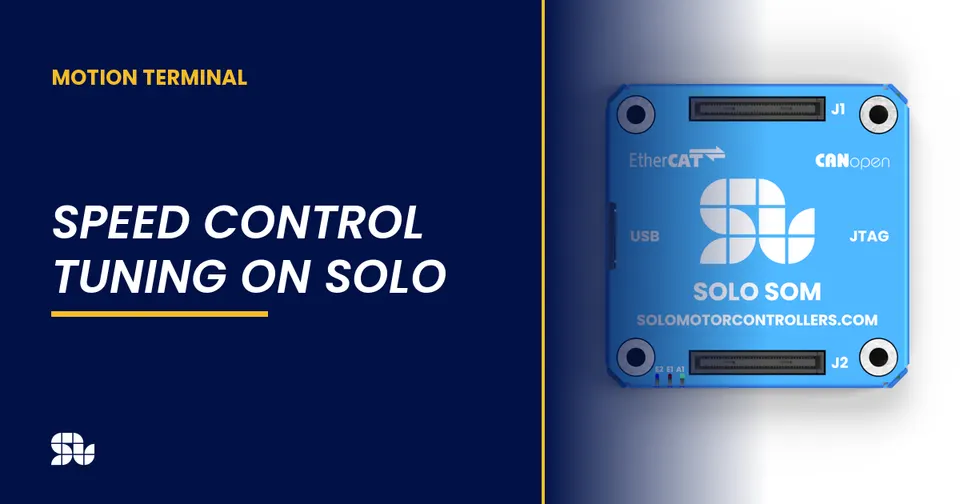
How to tune the speed loop on SOLO: set Kp and Ki for a fast, stable speed response under load, without overshoot. A Motion Terminal guide.
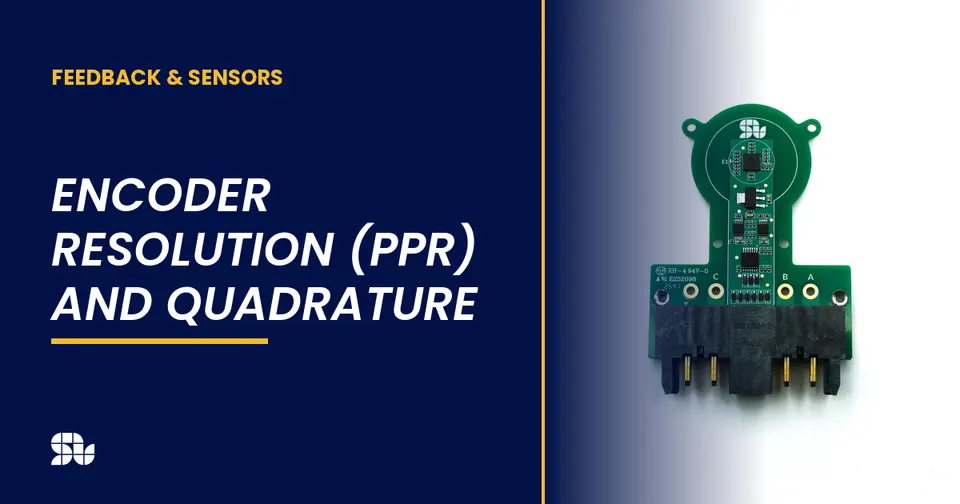
Configure your encoder on SOLO: set the right PPR, understand quadrature x4 counts and resolution, and get accurate position feedback in Motion Terminal.

Design smooth, low-jerk S-curve motion profiles on SOLO. Time-based vs time-optimal St-curve, jerk and acceleration limits, and setup in Motion Terminal.
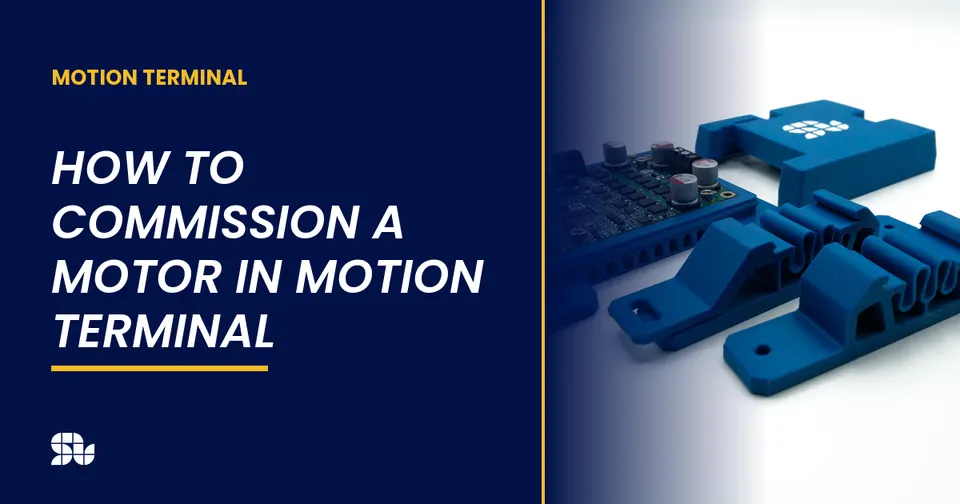
A step-by-step guide to commissioning a motor with SOLO Motion Terminal: connect, identify, calibrate, and run your first closed-loop spin.

Discover our High-Performance Motor Controllers, Test Benches, and Services trusted worldwide.